Match the format to the road
Setback, traffic direction, speed, grade, landscaping, and available sign area determine whether a monument, pylon, pole, or cabinet system is the strongest fit.

Sign system / 04
Own the roadside before customers turn in.
Freestanding and cabinet sign systems identify your property and carry your message where passing customers can see it.
The short answer
Monument signs sit low on a solid base, pylon signs rise on covered supports, pole signs on exposed poles, and cabinet signs are the lighted boxes any of them can carry. Road speed, setback and the local height limit decide the format. National guides put monuments around $5,000 to $20,000 and pylons from about $10,000 up.
Best fit
Planning factors
Every recommendation is shaped around the site, the audience, the business identity, and the practical path to installation.
Setback, traffic direction, speed, grade, landscaping, and available sign area determine whether a monument, pylon, pole, or cabinet system is the strongest fit.
Permanent business identification can be paired with a changeable LED display when the site and local sign rules support it.
Foundation, wind load, electrical service, access, permitting, and installer equipment are considered before production and delivery.
Need help with the location, permits, or installer coordination? See site survey and installation support
Buyer’s guide
Straight answers to the questions buyers ask most, with the sources behind every figure.
Use speed and setback. Under 35 mph with the building close to the road, a monument usually reads well. At 45 mph and up, or with a deep lot, a pylon gives drivers the detection distance they need. USSC rules of thumb tie letter size directly to speed.
The full buyer's guides for monument signs and pylon signs cover sizing, materials, engineering and cost in detail.
| Road and speed | USSC reaction time | Distance covered in that time | Capital letter height |
|---|---|---|---|
| 25 mph, two to three lanes | 8 seconds | About 294 ft | About 10 in |
| 30 mph, two to three lanes | 8 seconds | About 353 ft | About 12 in |
| 45 mph, four to five lanes | 10 seconds | About 662 ft | About 22 in |
| 55 mph, multi-lane | 11 to 12 seconds | About 889 to 970 ft | About 30 to 32 in |
Sources: United States Sign Council - Sign Legibility Rules of Thumb (2006)
Usually from the ground directly below the sign to its highest point, including the structure. Some codes measure from road grade when the road sits higher. Signs over drives or parking also need clearance, such as 14 feet in Spokane, Washington.
Sight triangles are the other placement limit. Spokane keeps a clear view zone between three and ten feet above grade inside its defined clear view triangles, which is exactly the height where a monument's face would sit.
Sources: USSC Foundation - Model On-Premise Sign Code (a model, not law); City of Spokane, WA - Municipal Code 17C.240.230, Standards in the Commercial and Industrial Zones (one city's example); City of Spokane, WA - Municipal Code 17C.240.240, Sign Placement and Location Restrictions (one city's example)
National guides put monument signs at $5,000 to $20,000 or more installed, and pylons at $10,000 to $100,000 or more. Outdoor lighted cabinets alone run $500 to $5,000. These are third-party estimates, not Suntronix pricing. Height, face area, lighting, footings and any LED display move a project within those ranges.
| Format | Published range | Source |
|---|---|---|
| Monument sign | $5,000 to $20,000+ | HomeGuide |
| Pylon sign | $10,000 to $100,000+ | HomeGuide |
| Pylon and pole signs | $20,000 to $100,000 | HomeAdvisor |
| Outdoor lighted sign | $500 to $5,000 | HomeAdvisor |
Sources: HomeGuide - How Much Does a Business Sign Cost? (Dec. 19, 2023); HomeAdvisor - How Much Does Commercial Sign Installation Cost? (updated June 20, 2026)
Before the first conversation
A few real details from the site make it easier to compare the right sign directions and define a practical next step.
Take photos from both travel directions and from the property entrance so the first clear sight line is visible.
Identify what people need to notice first: the property, the business name, a tenant, or a changing message.
Provide the address, any existing structure details, available utilities, timing, and criteria you already know.
If you do not have every detail yet, start with the address, a few photographs, and the visibility problem you want the sign to solve.
Weighing the investment? See what a sign needs to earn in the ROI calculator
Field proof
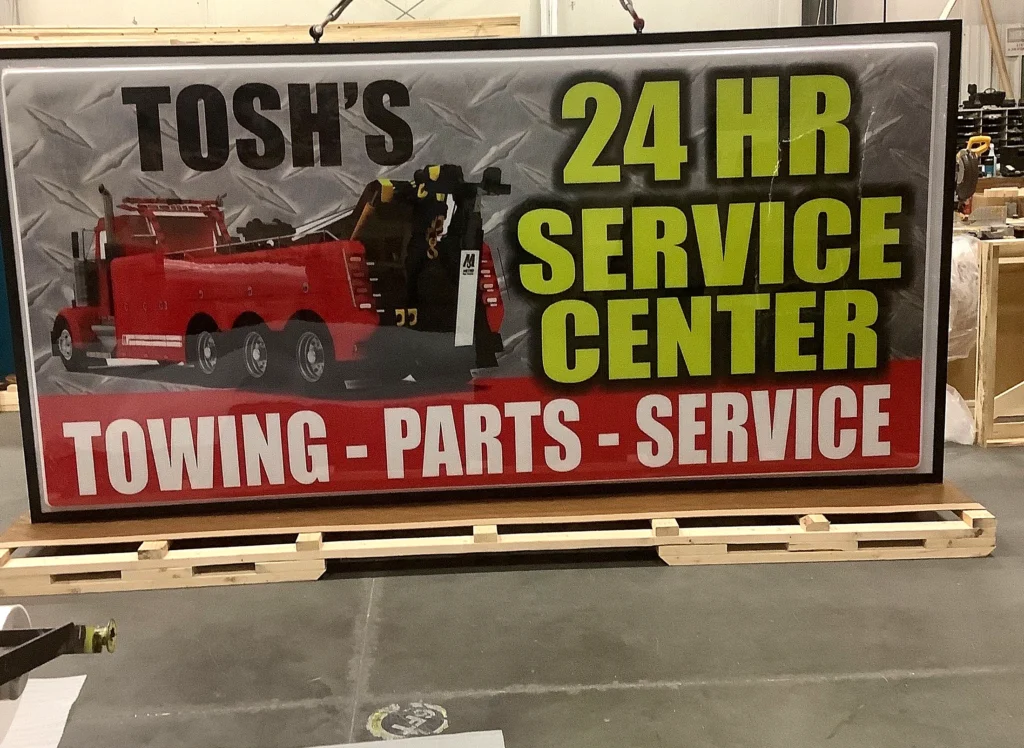
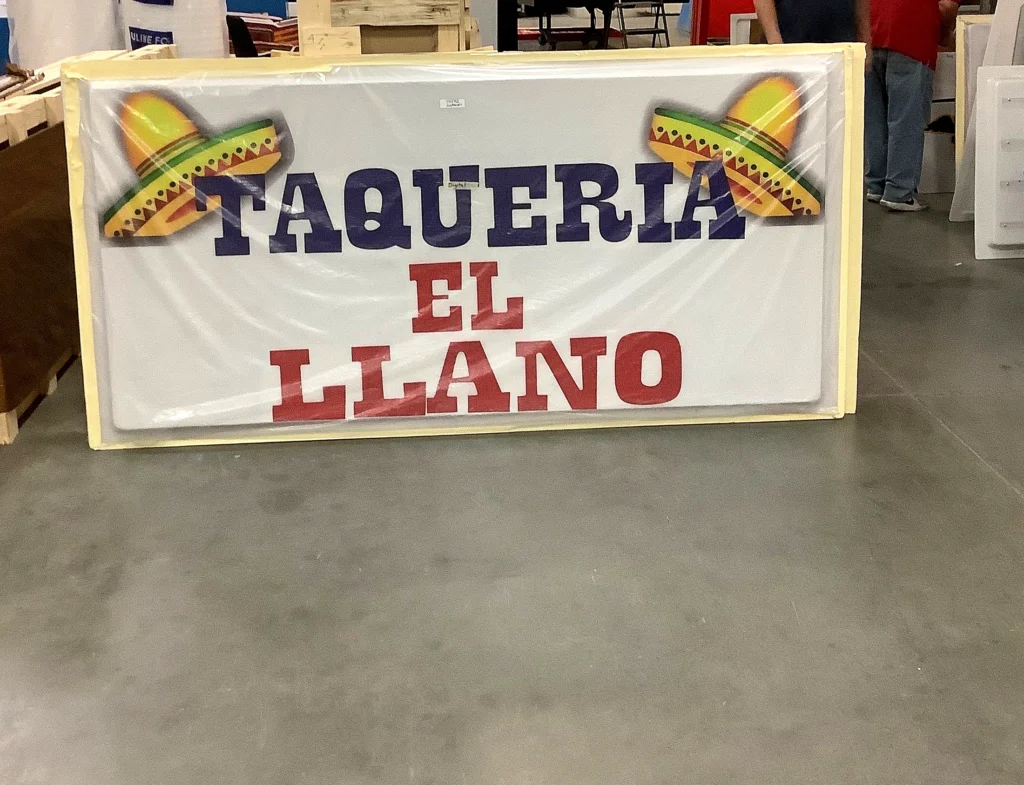
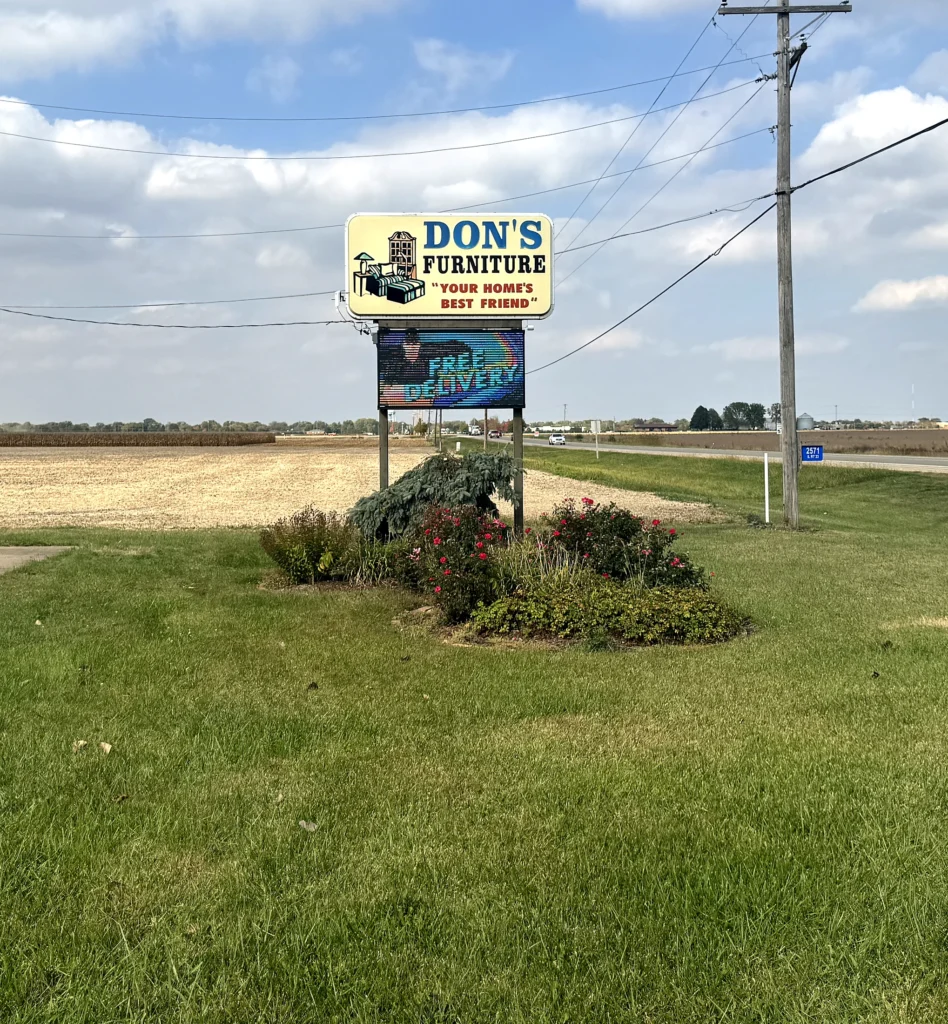
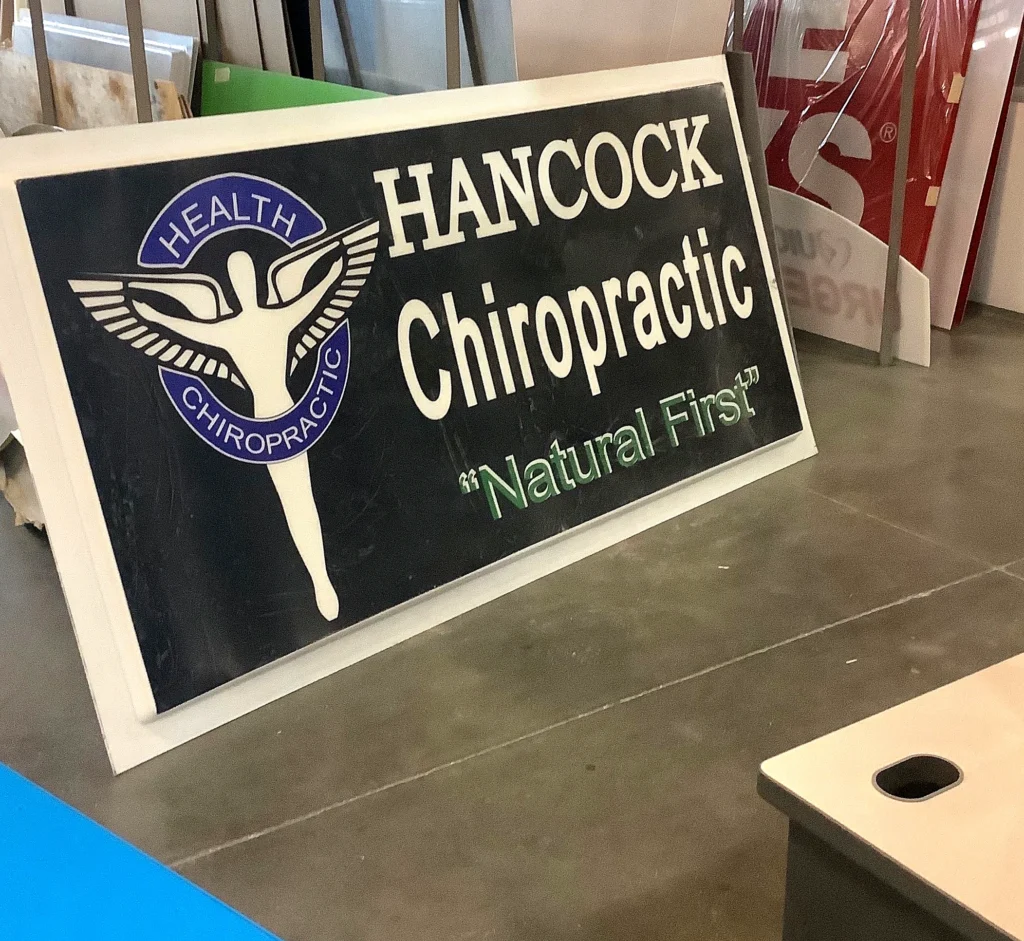
Real Suntronix work connects the planning decisions to the sign customers see in the field.
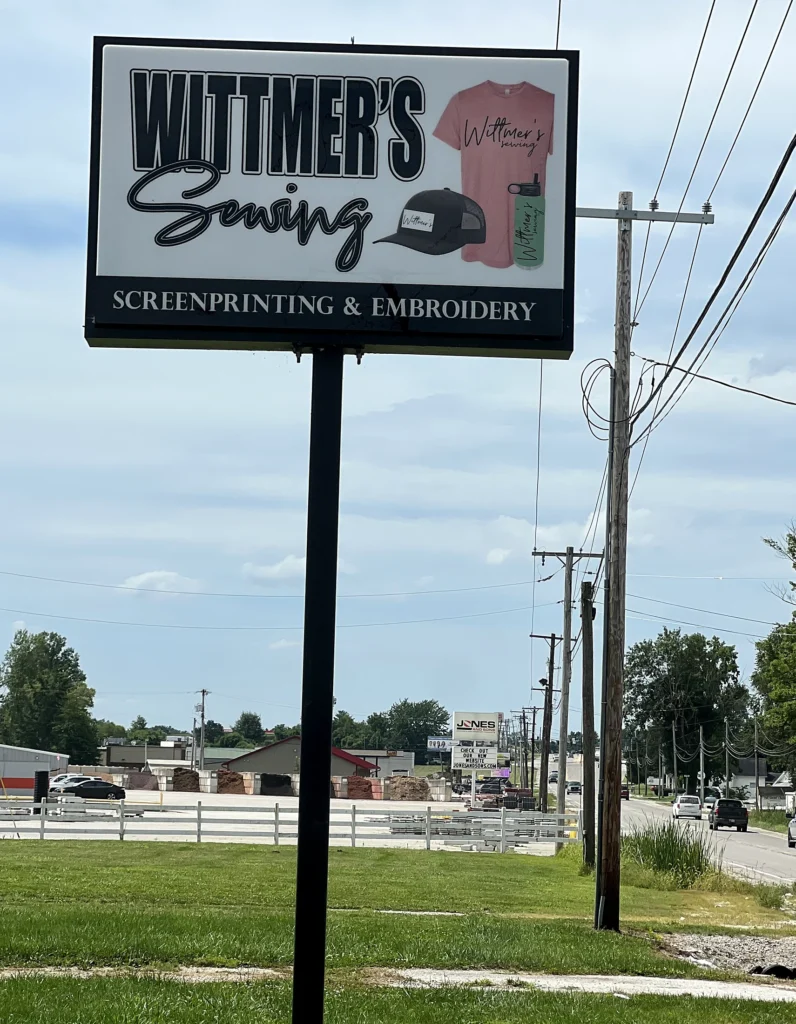
Outdoor Signs
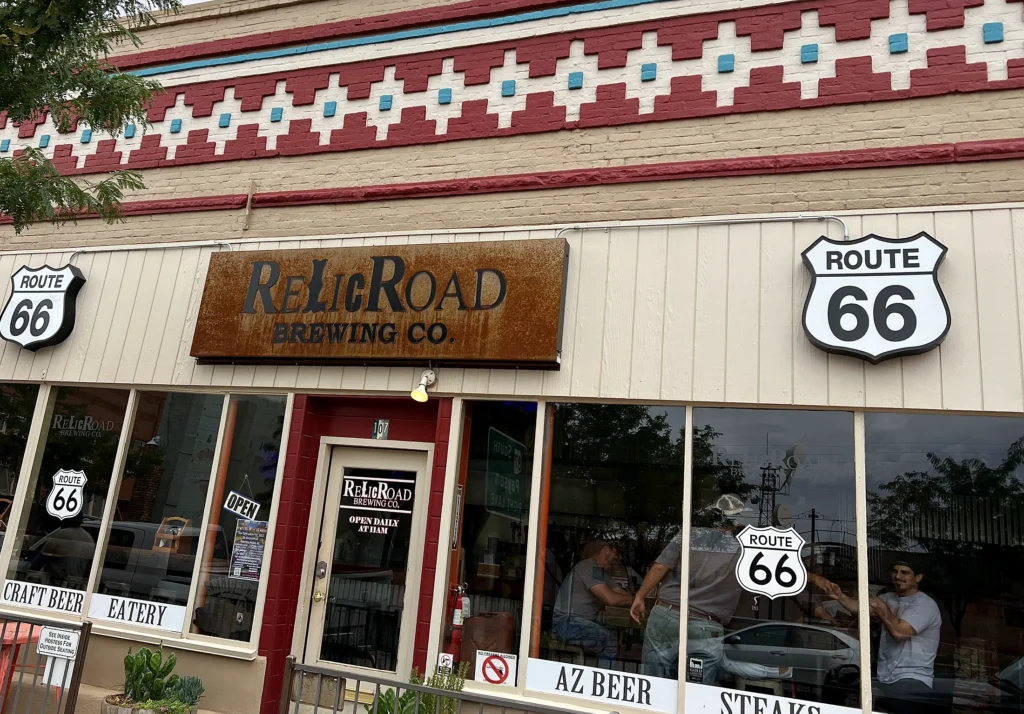
Outdoor Signs
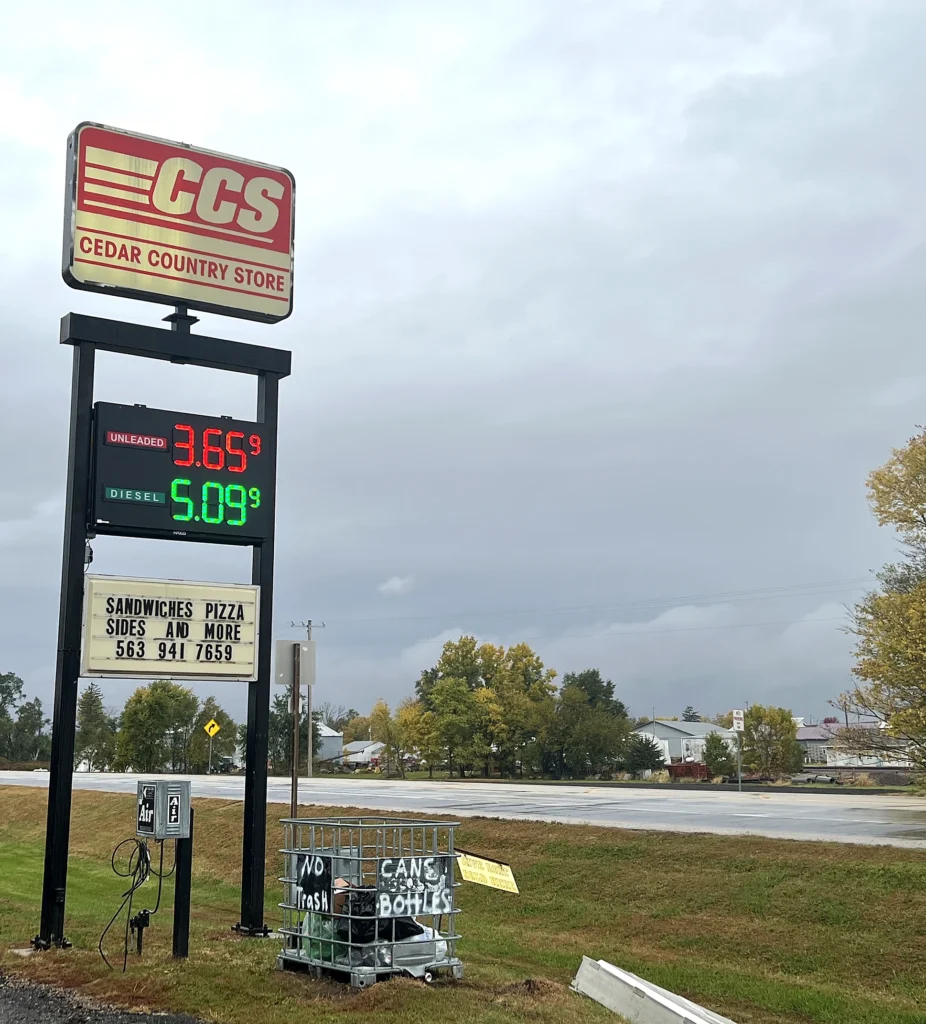
Outdoor Signs
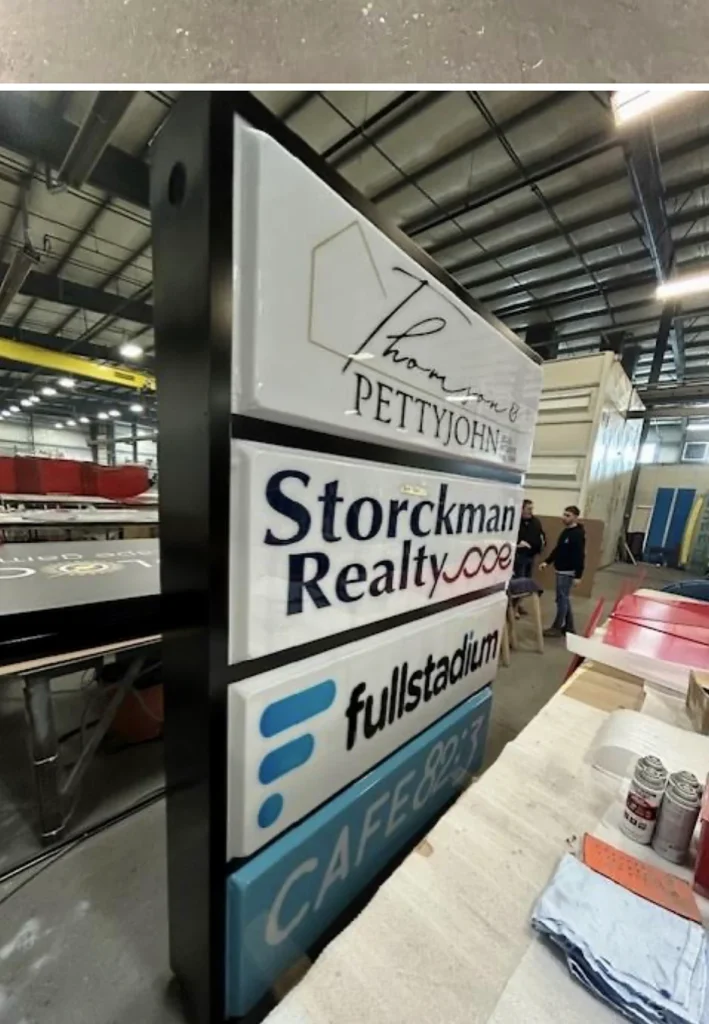
Outdoor Signs
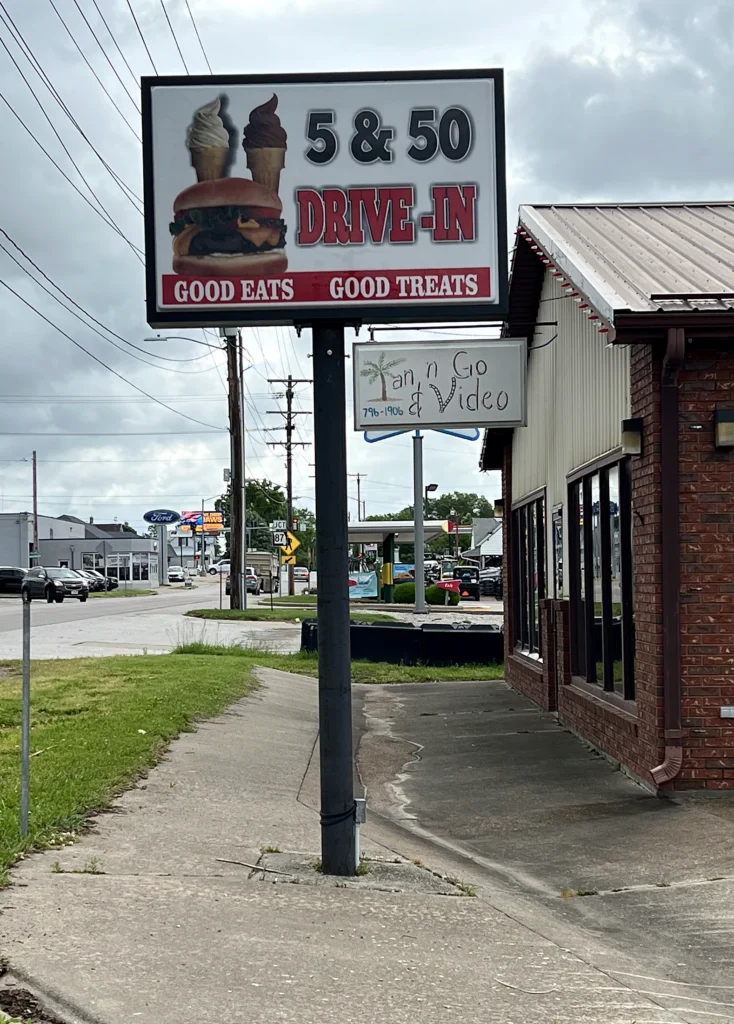
Outdoor Signs

Outdoor Signs
Quick answers
That depends on the site, desired viewing distance, available structure, local sign rules, and whether your message needs to change.
Many sign systems can combine permanent identification with a message area. Suntronix can recommend an approach after reviewing the location and goals.
Both lift the sign above the ground. A pole sign leaves the steel poles exposed; a pylon wraps the supports in a finished cover so the structure reads as one piece. The cover adds material and finish work.
Yes. Many freestanding signs pair a permanent identity cabinet with a full-color LED message center below it, where the code allows. Check the share of the sign your code lets the display occupy.
Often. HomeGuide notes that codes commonly require stamped structural drawings for monuments and pylons, and engineers charge about $500 to $3,000 for sign plans. Wind loads come from ASCE 7 through the building code.
Your code sets setbacks and sight-triangle limits. Spokane, for example, requires all supports on private property and keeps a clear view zone near driveways and intersections. Ask the zoning office for your address.
Suntronix reviews the location, visibility needs, timing, and business goals before shaping a concept and quote.
Yes. The quote form accepts a JPG, PNG, or PDF up to 5 MB so the team can understand the project sooner.
Related field notes
Use these short guides alongside the site details so the next conversation has a clearer starting point.
See why distance, speed, and sight lines should guide the roadside hierarchy.
Read the field noteCompare the structure, site, delivery, and installation needs alongside the sign itself.
Read the field noteFigures on this page come from the publishers below. They are general, third-party references rather than Suntronix pricing or specifications, and your site, local code and product choice will change them.
The next landmark could be yours
Tell us what needs attention. We’ll help engineer the sign that earns it.