Who uses marquee signs and reader boards, and what do they need them to do?
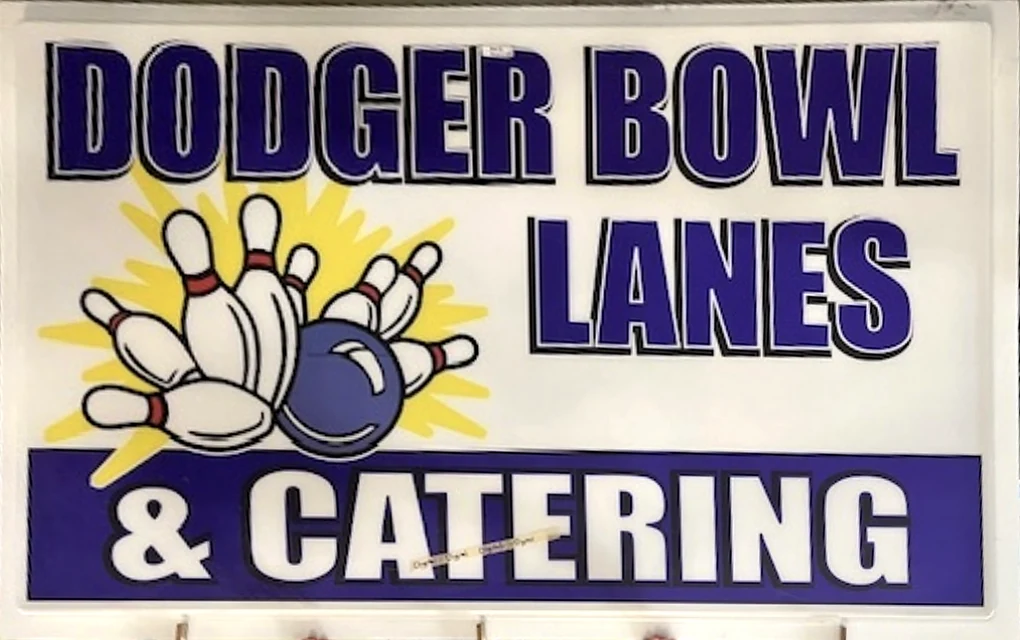
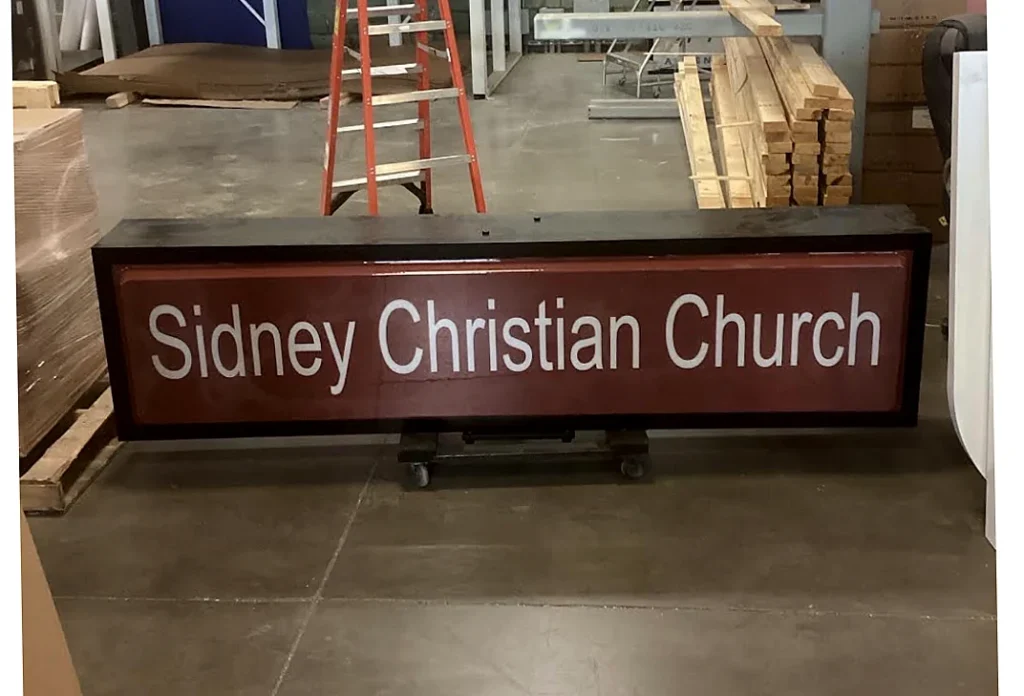
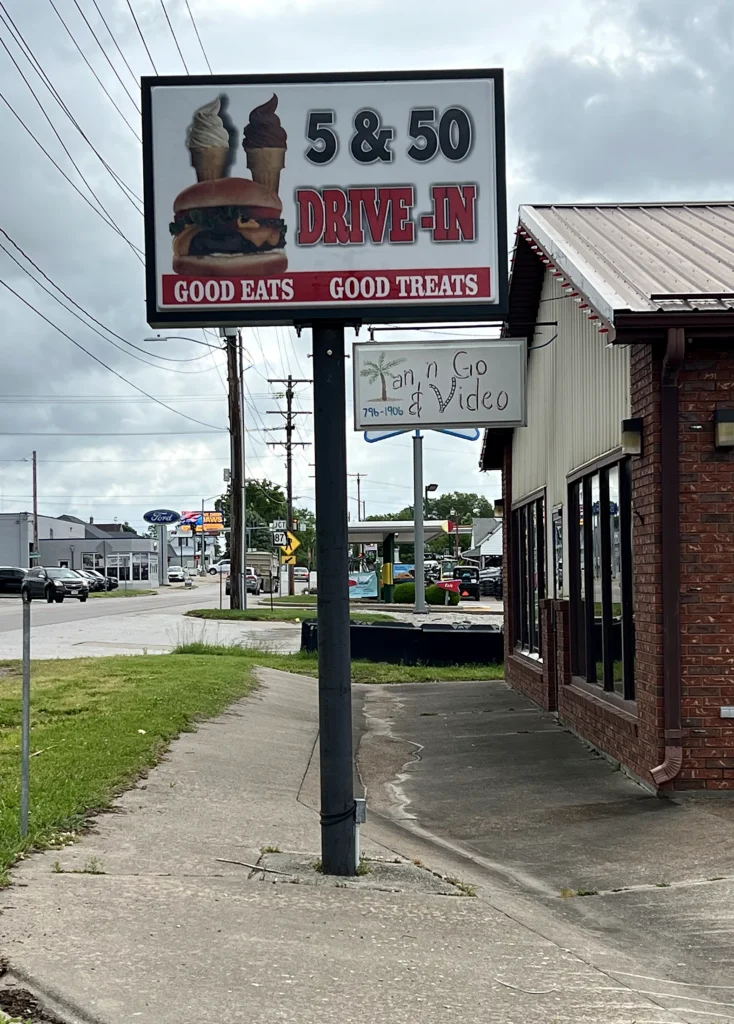
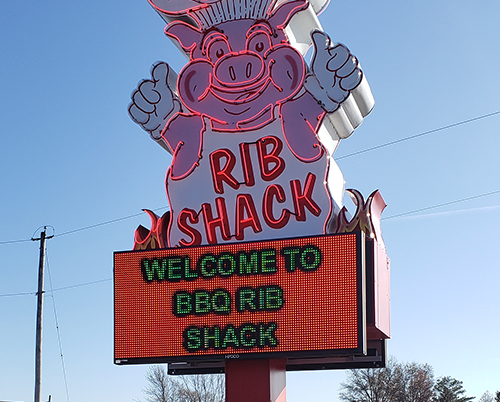
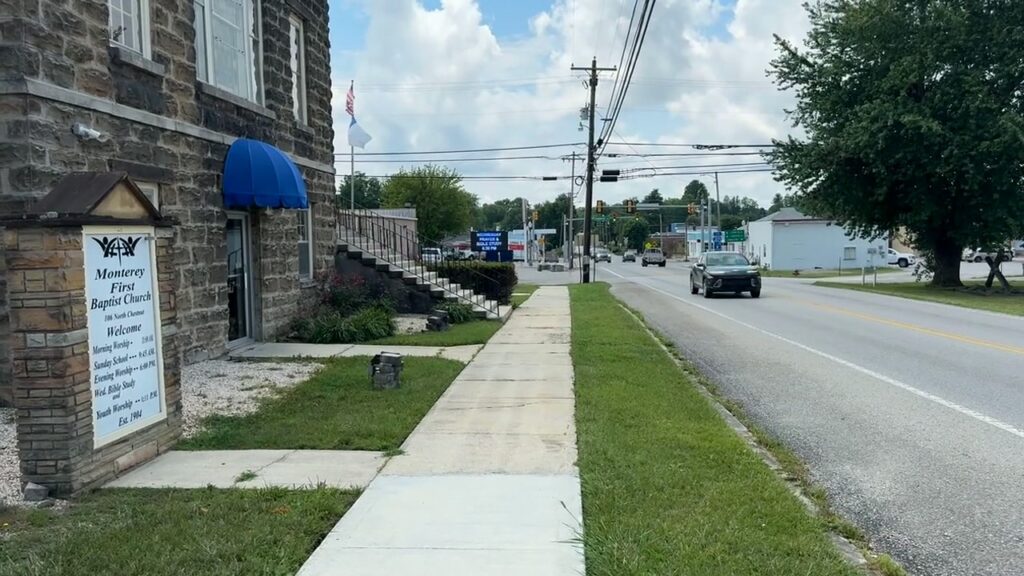
Any place whose message has a date on it: churches, schools, restaurants, theaters, drive-ins, bowling centers and small shops. The USSC Foundation's model sign code notes that a substantial share of electronic message centers sit at churches, municipal buildings, libraries, fire and rescue facilities, hospitals and medical offices.
A marquee sign does two jobs on one structure: the cabinet or frame carries the permanent name, and the reader board carries this week's news. Decide how often that news changes before you choose the technology.
- Churches: service times, sermon series, holiday schedules and events, usually weekly.
- Schools: conferences, games, closings and enrollment dates, often daily during the school year.
- Restaurants and bars: daily specials, hours, hiring and catering, sometimes changed by daypart.
- Theaters, drive-ins and bowling centers: showtimes, league nights, parties and specials.
- Small retail: sales, new stock, seasonal hours and events.
Sources: USSC Foundation - Model On-Premise Sign Code (a model, not law)
Changeable letters or a programmable LED sign: which fits your message?
Changeable letters work when the message changes monthly and someone can safely reach the face. A programmable LED sign fits when messages change weekly or daily, when several messages must rotate, or when nobody wants to climb a ladder in January. HomeAdvisor notes static-letter marquees are the least expensive option and digital ones cost more.
Count the real cost of letters, not just the cabinet: ladder or pole time, letters that break or go missing, and messages left up for weeks because changing them is a chore.
A digital reader board moves the work to software. The message can change from an office or phone, and several messages can rotate on a schedule. It brings its own costs: electricity, possibly a cellular or software subscription, and someone who owns the schedule. Suntronix's digital signs are full-color LED message centers.
| Question | Changeable-letter marquee | LED reader board |
|---|---|---|
| How is the message changed? | By hand at the sign, with a ladder or pole | In software, sent to the sign remotely |
| Practical change frequency | Monthly to weekly | Daily or more, on a schedule |
| Several messages at once? | No, one layout at a time | Yes, rotated within code limits |
| Ongoing supplies | Replacement letters and lamps or LEDs for the backlight | Power, and any communication subscription |
| Wind and tampering | Ask how letters are held and whether the face locks | No loose letters; access controlled by login |
| Up-front cost | Lower | Higher |
Sources: HomeAdvisor - How Much Does Commercial Sign Installation Cost? (updated June 20, 2026)
How does a digital reader board get programmed and scheduled day to day?
Someone builds messages for the digital message board in its software, groups them into a playlist, and sets when each playlist runs: by day, by time, or between start and end dates. The software sends the schedule to the sign. Most of the real work is deciding who writes, who approves, and when the schedule gets reviewed each week.
Templates do most of the heavy lifting. Build a few layouts once, such as a service-time frame and an event frame, then change only the words, so fonts and letter sizes stay consistent.
Set expiration dates on dated messages so last week's game does not run into next week. For how the sign connects to the software, see the section on updating the sign in the Digital & LED Signs guide. Every Suntronix digital sign order includes on-site training for the software, communication setup and scheduling; train a backup person at the same session.
- Monday: review what expired and what is coming in the next two weeks.
- Write or update frames from templates, one idea per frame.
- Approve: one person signs off, especially for names, dates and prices.
- Schedule with start and end dates, then check the sign from the road.
How many words fit on an LED message board, and how long should each message stay up?
Plan on about six words per frame. USSC rules of thumb assume six words (30 letters) or less, and USSC guideline standards say four to eight words in simple type take about four seconds to read. If your code requires an 8-second hold, a driver at 30 mph will usually see one frame, so each frame must stand alone.
Reading from a moving car is slow. USSC notes that drivers take 0.5 to 2.0 seconds to read and process a single sign word, and it counts a familiar symbol or logo as one word. Times, dates and phone numbers count as words too.
Letter height sets the reading distance. Under the USSC legibility index of 30, each inch of capital-letter height gives about 30 feet of legibility: 4-inch letters read at about 120 feet, 8-inch at about 240 feet and 12-inch at about 360 feet. Text set in all capitals needs letters about 15 percent taller.
- One idea per frame: what, when, and nothing else.
- Keep the name on the permanent cabinet so frames need not repeat it.
- Skip phone numbers and web addresses at road speed; nobody can write them down.
| Road and speed | USSC viewer reaction time | Road covered in that time | Capital letter height | Full frames seen at an 8-second hold |
|---|---|---|---|---|
| 25 mph, two to three lanes | 8 seconds | About 294 ft | About 10 in | About 1 |
| 30 mph, two to three lanes | 8 seconds | About 353 ft | About 12 in | About 1 |
| 45 mph, four to five lanes | 10 seconds | About 662 ft | About 22 in | About 1 |
| 55 mph, multi-lane | 11 to 12 seconds | About 889 to 970 ft | About 30 to 32 in | About 1 |
Sources: USSC Foundation - On-Premise Signs Guideline Standards (2018); United States Sign Council - Sign Legibility Rules of Thumb (2006)
Can you add an LED reader board to an existing cabinet or marquee frame?
Often. The two common paths are hanging a display under an existing lighted cabinet on the same poles, or replacing the letter-board section inside an existing marquee frame. Either way, the structure has to carry the added weight and wind area, power has to reach the display, and the change usually needs a permit.
Wind is the structural question. The International Building Code sets wind loads through ASCE 7, and a display adds face area that catches wind. Old poles and footings need to be checked, not assumed. A sign permit is commonly required for alterations as well as new signs; Panguitch, Utah, for example, requires one for the alteration or replacement of any sign.
Power is the cost question. HomeGuide puts underground power runs at $10 to $25 per foot installed, so the distance from the panel matters. Also ask whether the existing sign is nonconforming under today's code, since some cities limit changes to older signs. For display resolution, see the pixel pitch section of the Digital & LED Signs guide.
- Measure the opening or the space under the cabinet.
- Photograph the poles, base and both approaches.
- Find the old permit or drawings if they exist.
- Note where power comes from and how far it runs.
Sources: HomeGuide - How Much Does a Business Sign Cost? (Dec. 19, 2023); International Code Council - Demystifying Loads: 2024 IBC and ASCE 7-22 (IBC Section 1609.1.1); Panguitch City, UT - Signage Permit and sign requirements (one city's example)
What do sign codes say about changeable copy and electronic message boards?
Codes often treat hand-changed letters and electronic message boards differently, capping the share of the sign each can use and setting hold times for electronic messages. HomeAdvisor notes many towns limit or ban digital signs and flashing marquees. Rules vary by city and zone, so check yours before you design the layout.
Darien, Illinois, as one city's example, rewrote its business-district rules in September 2026. Manual changeable copy may take up to 40 percent of a ground sign if letters are uniform and the message sits in a locking case. An electronic message board may also take up to 40 percent, must change instantly, may not change more than once every 8 seconds, and must be off while the business is closed, except for the hour before opening.
Residential zones are usually stricter. The USSC model code, which is a model and not law, allows electronic message centers on non-residential uses in residential zones only by special exception, with a 12-second minimum display time. For more city examples of hold times and night brightness, see the code section of the Digital & LED Signs guide.
| Rule | Darien, IL business districts (Ord. O-33-26, one city's example) | USSC model code (a model, not law) |
|---|---|---|
| Manual changeable letters | Up to 40% of ground sign area; uniform letters; locking case | Defined as a changeable sign changed manually |
| Electronic share of the sign | Up to 40% of sign area | Not set in the cited sections |
| Minimum message hold | 8 seconds | 12 s residential; 8 s office and professional |
| Transitions | Instant change; no frame effects | 1 s residential; 3 s office, fades and dissolves allowed |
| Hours | Off when closed, on one hour before opening | Not set in the cited sections |
Sources: USSC Foundation - Model On-Premise Sign Code (a model, not law); City of Darien, IL - Ordinance No. O-33-26, sign code amendment for electronic message centers (adopted Sept. 8, 2026; one city's example); HomeAdvisor - How Much Does Commercial Sign Installation Cost? (updated June 20, 2026)
What does a marquee sign cost compared with an LED marquee sign?
HomeAdvisor puts church signs, a common marquee use, at $5,000 to $50,000, with static-letter marquees at the low end and digital signs up to $20,000 or higher. HomeGuide puts digital and electronic message signs at $5,000 to $10,000 or more. These are third-party national estimates, not Suntronix pricing.
Up-front price is only part of it. A letter board keeps costing labor and letters; an LED sign keeps costing a little power and someone's time at a keyboard. For what drives LED pricing in detail, see the cost section of the Digital & LED Signs guide. Suntronix prices each custom project around the site, and financing may be available for qualifying projects.
| Item | Published range | Source |
|---|---|---|
| Church signs, static-letter marquee to digital | $5,000 to $50,000 | HomeAdvisor |
| Digital church sign | Up to $20,000 or higher | HomeAdvisor |
| Outdoor lighted sign | $500 to $5,000 | HomeAdvisor |
| Digital / electronic message signs | $5,000 to $10,000+ | HomeGuide |
| Underground power run | $10 to $25 per foot | HomeGuide |
| Building permit | $400 to $2,500 | HomeAdvisor |
Sources: HomeAdvisor - How Much Does Commercial Sign Installation Cost? (updated June 20, 2026); HomeGuide - How Much Does a Business Sign Cost? (Dec. 19, 2023)