Project reference / published Suntronix record
Visibility goal
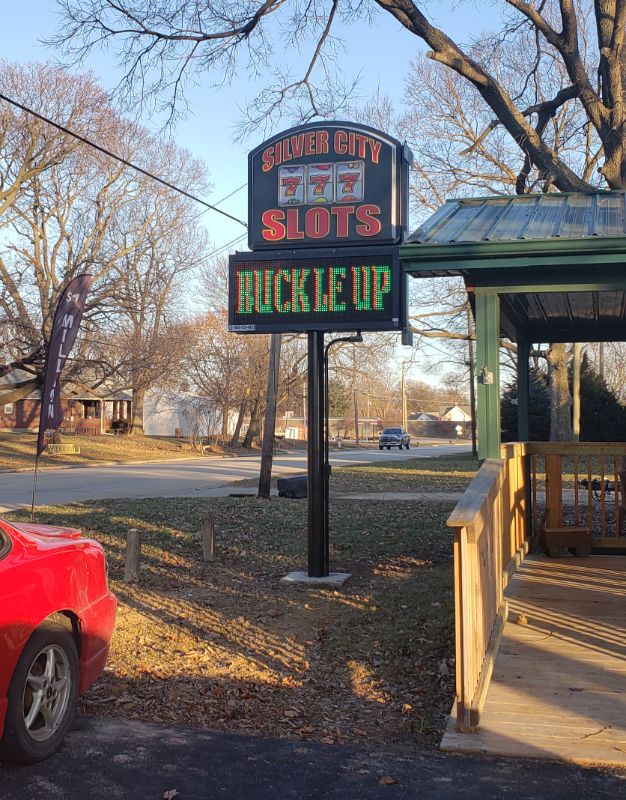
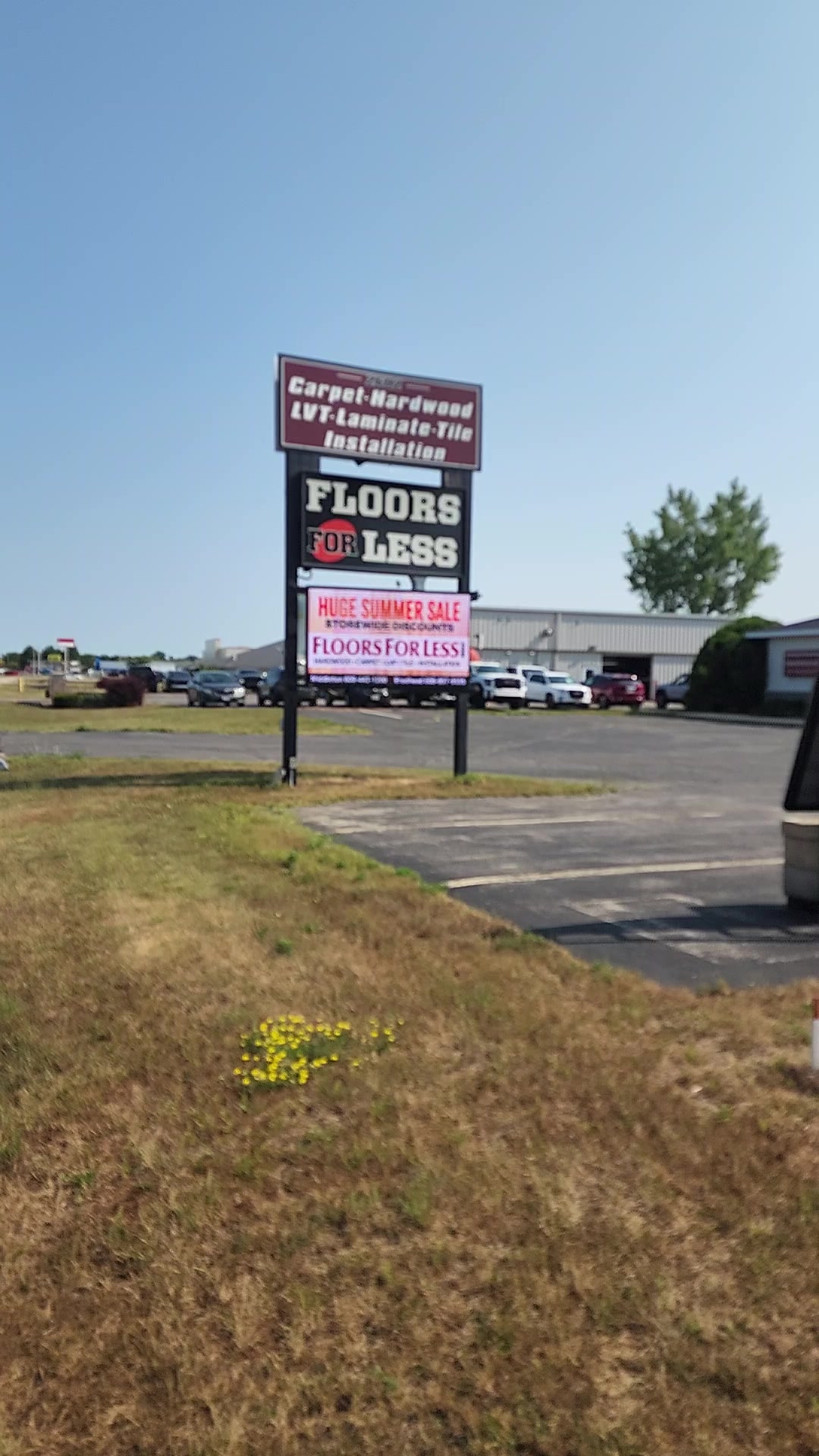
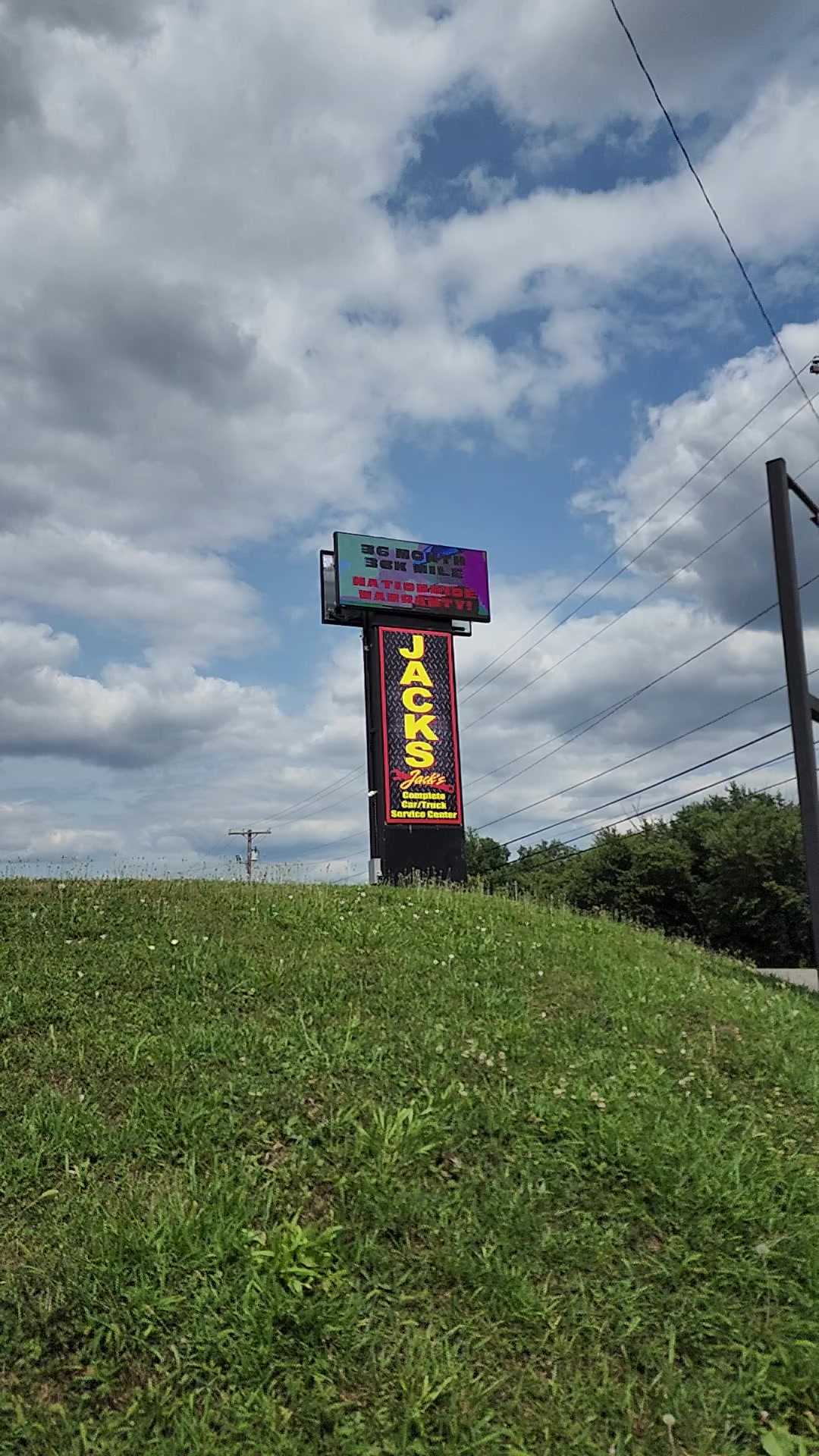
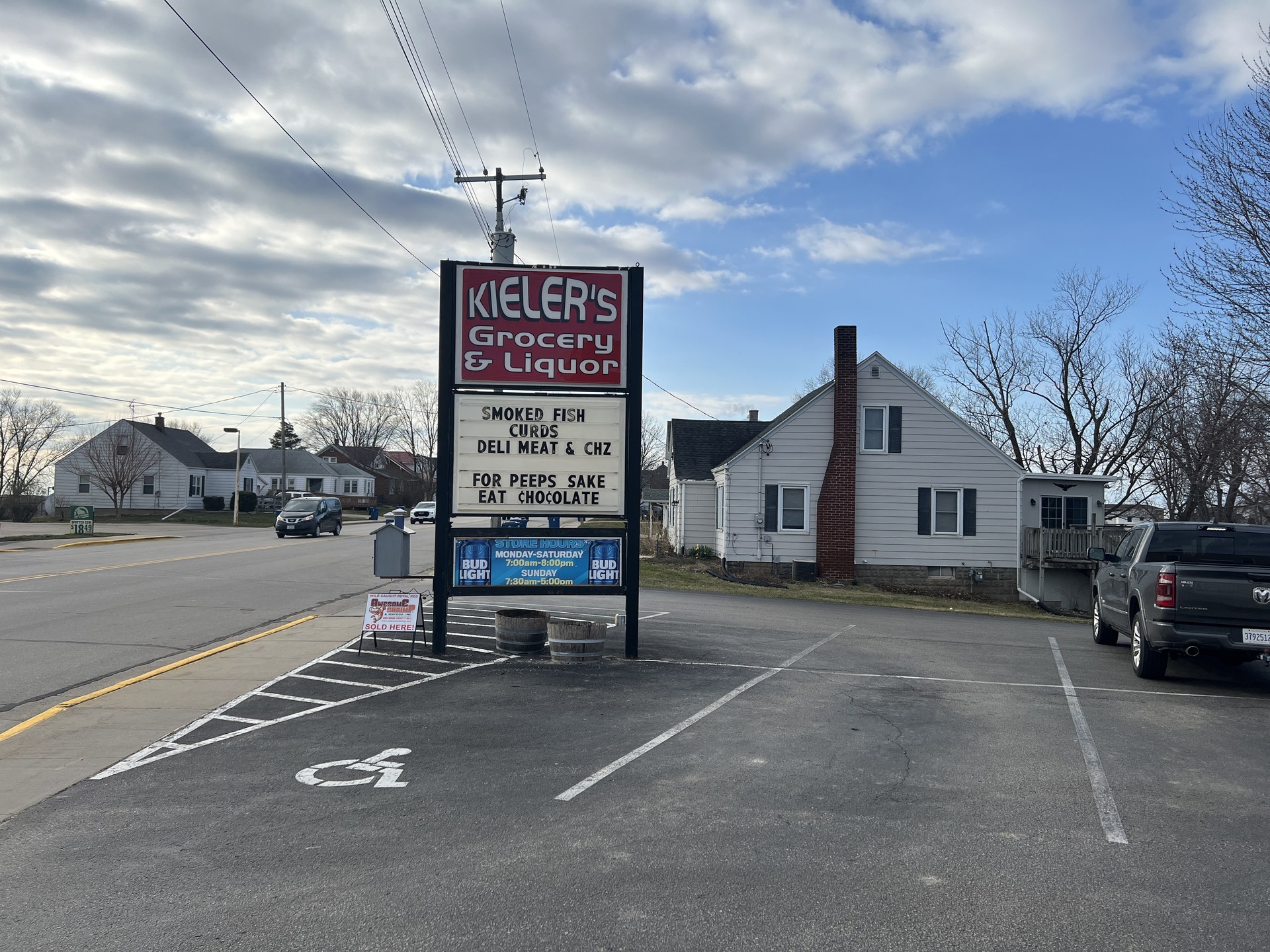
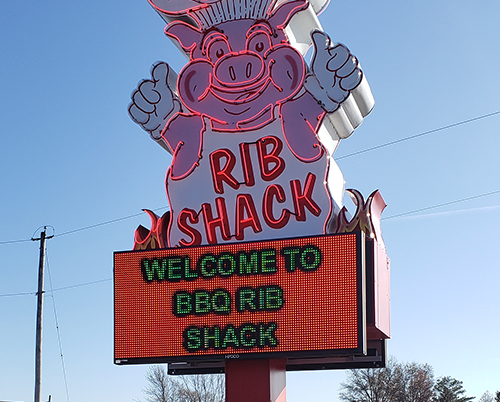
This roadside system needed to do two jobs at once: keep the Rib Shack identity permanently visible and provide a message area that could change with current offers, announcements, or community information. Separating those jobs helps the business name remain stable while the lower display stays useful from week to week.
Sign approach
A full-color programmable LED display sits beneath the primary restaurant identity. The upper sign establishes who is at the location; the digital area creates a controlled place for timely content. The stacked arrangement keeps changing messages from competing with the permanent brand panel.
Message-center value depends on readable content, not the number of words that can fit. Short messages, strong contrast, restrained animation, and a clear schedule generally make better use of the available viewing time.
Site and display planning
Traffic direction, speed, viewing distance, first clear sight line, sign height, and surrounding visual clutter affect character size and display proportions. Pixel pitch, brightness, cabinet dimensions, communication method, and software should be matched to those real conditions rather than chosen from a specification sheet alone.
Production and installation
The project plan also needs to address the supporting structure, wind and foundation requirements, electrical service, data connection, permitting, equipment access, and installer responsibilities. Confirming those items early reduces the chance that the display and site are treated as separate problems.
Operating the sign
Training and follow-up are part of a useful digital-sign project. The operator should know how to schedule messages, keep layouts readable, respond to software questions, and maintain a dependable mix of permanent identity and current information.