Make the name fit the building
Letter height, stroke width, spacing, capitalization, and mounting location are balanced against the available storefront area and viewing distance.
Sign system / 03
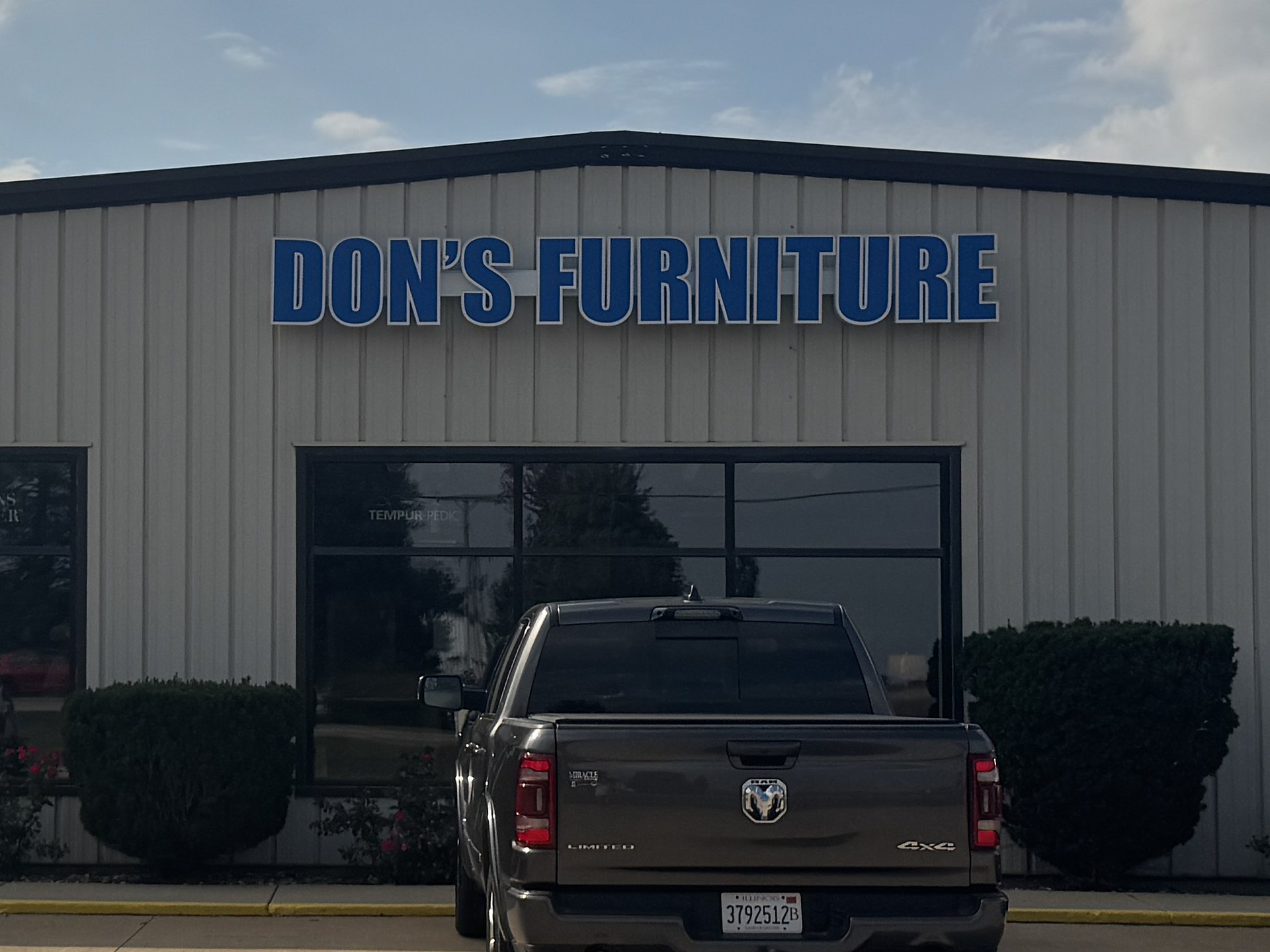
Give the building a dimensional signature.
Individually formed letters create a clean, dimensional identity for storefronts, plazas, and commercial buildings.
The short answer
Channel letters are individually fabricated letters, usually lit from inside, mounted on a building wall. Letter height should follow viewing distance, and wall signs need extra size because drivers see them at an angle. National cost guides put channel letter signs at $2,000 to $20,000 or more.
Best fit
Planning factors
Every recommendation is shaped around the site, the audience, the business identity, and the practical path to installation.
Letter height, stroke width, spacing, capitalization, and mounting location are balanced against the available storefront area and viewing distance.
Front-lit and non-lit dimensional letters create different effects. Site conditions, landlord requirements, local rules, and the desired nighttime presence guide the choice.
A site review identifies the wall construction, raceway or direct-mount approach, electrical access, installation equipment, and permit requirements.
Need help with the location, permits, or installer coordination? See site survey and installation support
Buyer’s guide
Straight answers to the questions buyers ask most, with the sources behind every figure.
Start with USSC rules of thumb: about one inch of capital letter height per 30 feet of reading distance. Then add margin, because wall signs sit parallel to traffic. In a USSC study, drivers passed 30 percent of parallel signs even while looking for them.
Line length follows letter height. USSC's shortcut estimates the length of a line by multiplying capital letter height by the number of letters, so a 12-letter name in 24-inch letters needs about 24 feet of wall. If the wall is shorter, shorten the name on the sign before you shrink the letters.
Sources: United States Sign Council - Sign Legibility Rules of Thumb (2006)
Check how your code caps wall sign area; many tie it to building frontage or wall area. Spokane, Washington, for example, allows one and a half square feet per foot of primary building wall, or 15 percent of the wall, in some zones. How the code measures letter area changes what fits.
Measurement method matters. USSC notes that letter sign area is often computed as letter height times line length, while some codes count only the area of the letters themselves, which is fairer for spread-out letters. Ask which method your city uses before you finalize the layout. Some codes also reduce wall sign area when a freestanding sign stands on the same frontage.
Sources: United States Sign Council - Sign Legibility Rules of Thumb (2006); City of Spokane, WA - Municipal Code 17C.240.230, Standards in the Commercial and Industrial Zones (one city's example)
The letters must be a listed sign installed per the listing, with a disconnect within sight of the sign, under the National Electrical Code. Look for the listing label on the letters or raceway, and confirm who supplies the circuit to the wall.
Expect the electrical inspector to look for the label, the disconnect and the wiring method. A letter set built without a listing can stall an inspection and an opening date.
Sources: EC&M - NEC Rules for Electric Signs and Outline Lighting (NEC Article 600)
National guides put channel letter signs at $2,000 to $20,000 or more, or $4,000 to $20,000 including installation, and say reverse (halo-lit) letters can cost up to 30 percent more. Letter count, height, lighting style, wall access and permits drive the price.
These are third-party national estimates, not Suntronix pricing.
Sources: HomeGuide - How Much Does a Business Sign Cost? (Dec. 19, 2023); HomeAdvisor - How Much Does Commercial Sign Installation Cost? (updated June 20, 2026)
Before the first conversation
A few real details from the site make it easier to compare the right sign directions and define a practical next step.
Photograph the building face and bring approximate width and height of the area available for letters.
Show where visitors first see the storefront and whether the sign must work from the road, parking lot, or sidewalk.
Share wall material, property or landlord criteria, electrical information, and target timing when available.
If you do not have every detail yet, start with the address, a few photographs, and the visibility problem you want the sign to solve.
Weighing the investment? See what a sign needs to earn in the ROI calculator
Field proof
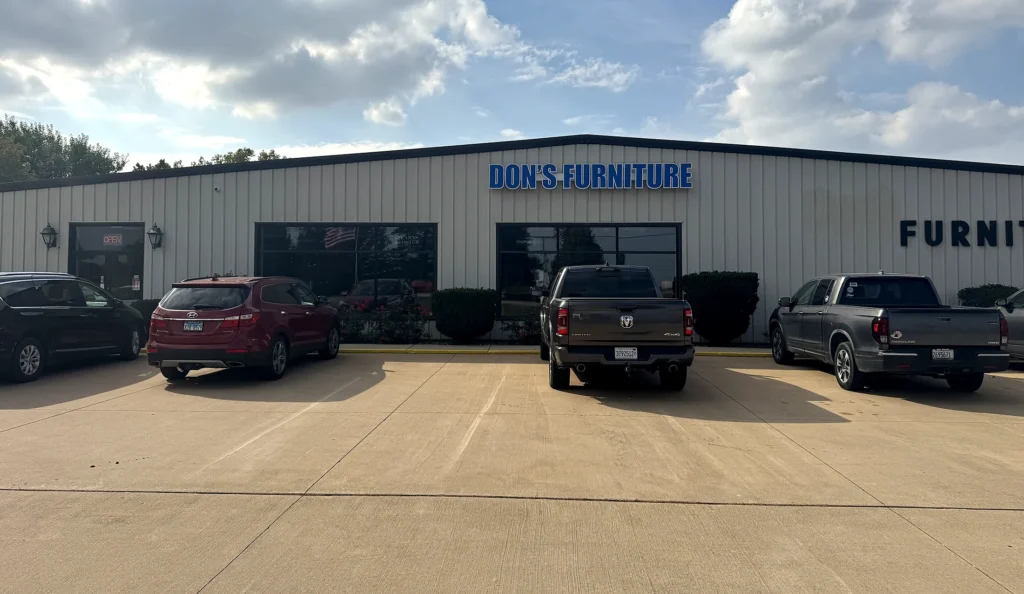
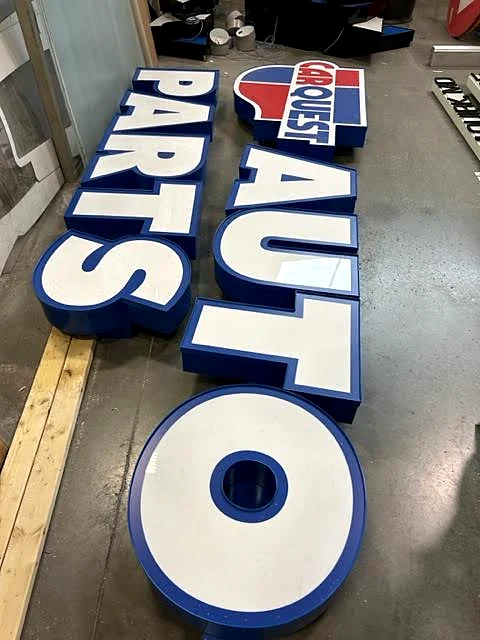
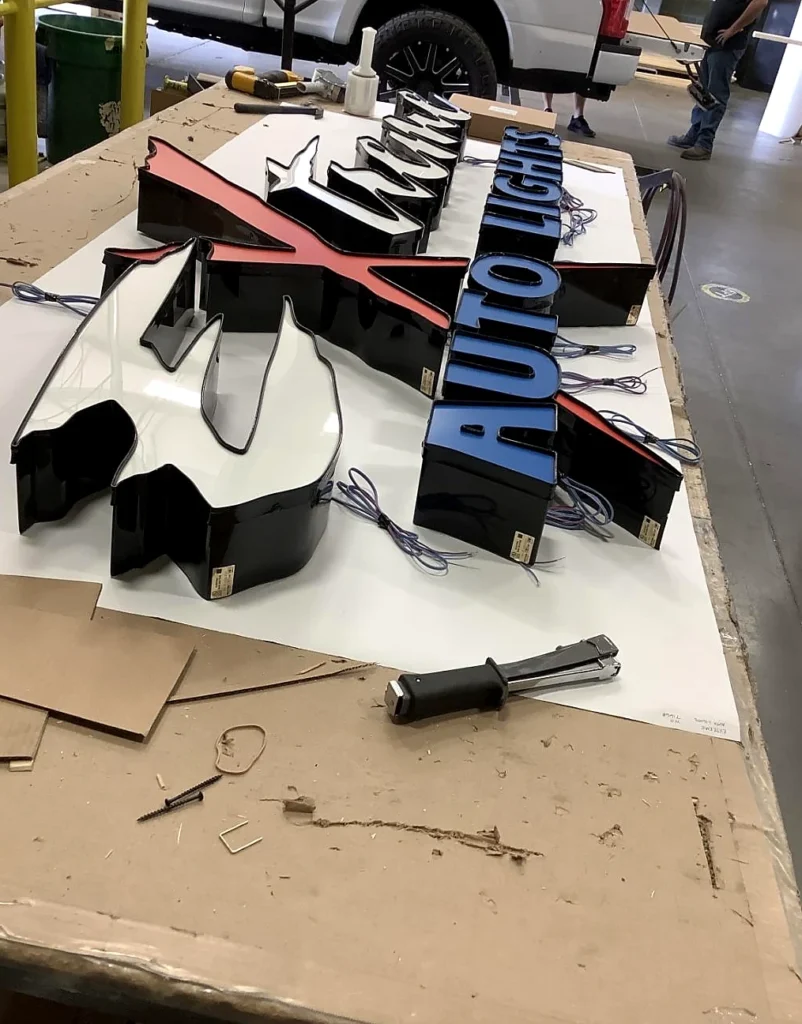
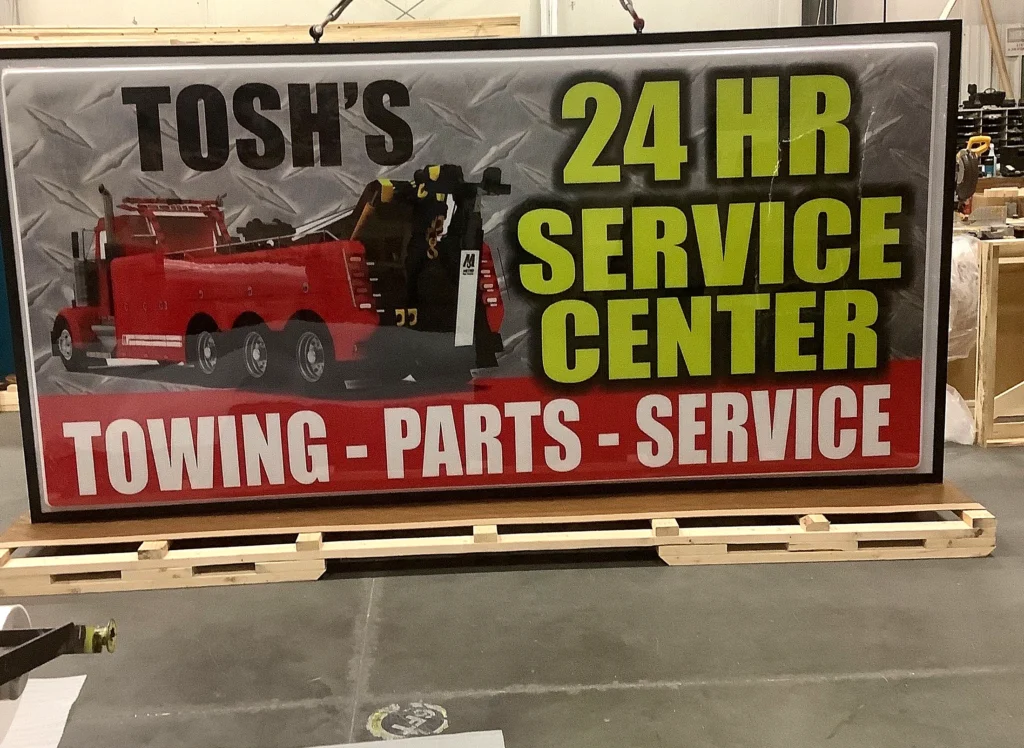
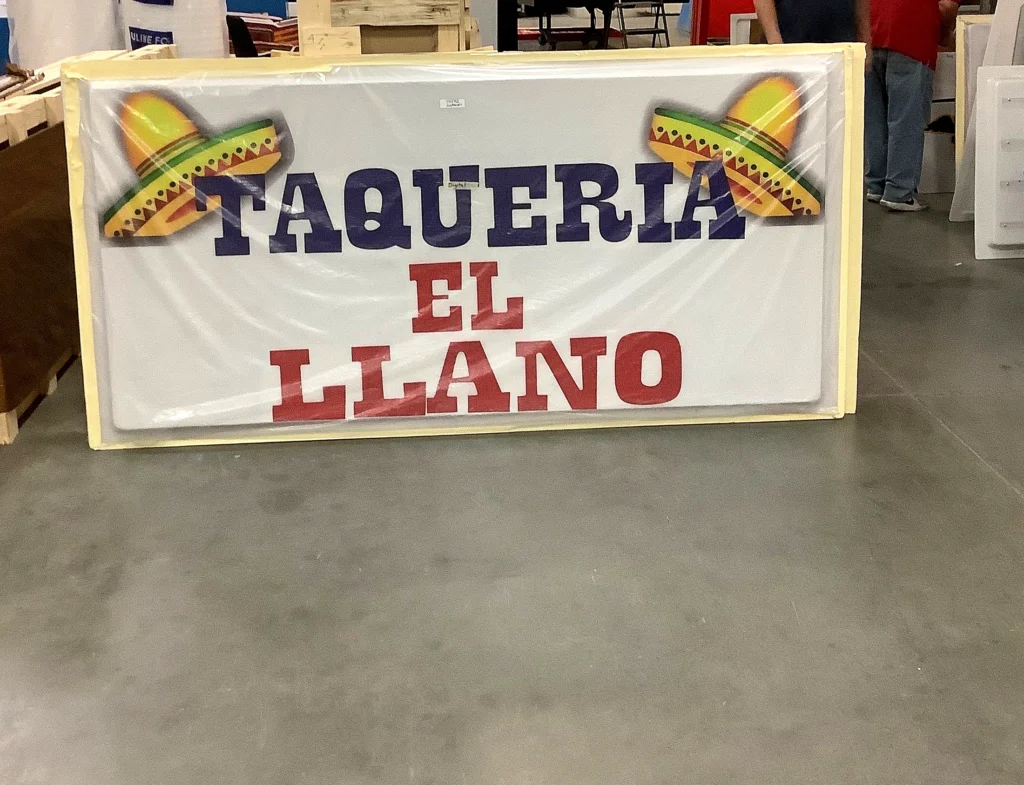
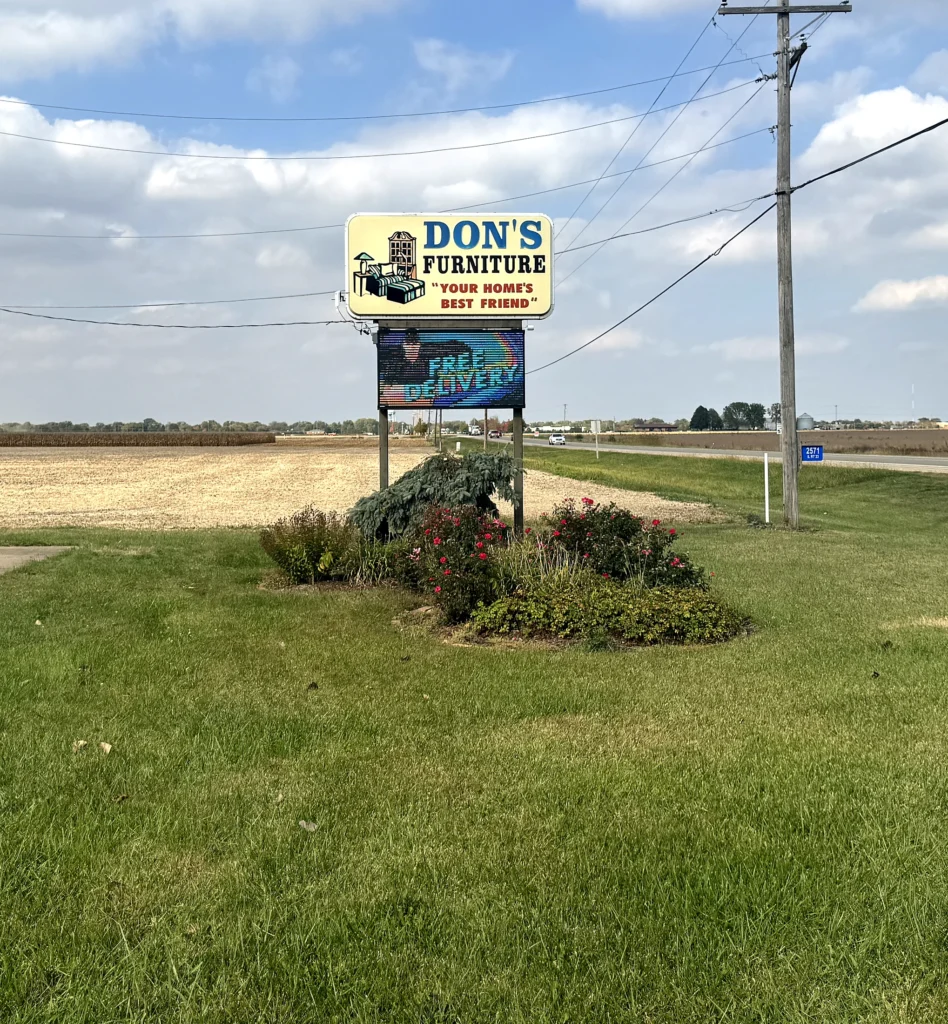
Real Suntronix work connects the planning decisions to the sign customers see in the field.
Quick answers
Yes. Channel letters can be individually lit or produced as non-lit dimensional letters, depending on the site and desired appearance.
The building area, mounting conditions, viewing distance, local sign rules, and the legibility of your business name all shape the recommendation.
HomeGuide puts channel letter signs at $2,000 to $20,000 or more, and HomeAdvisor at $4,000 to $20,000 installed. Size, letter count and lighting style drive the number. These are third-party estimates, not Suntronix pricing.
Usually. HomeAdvisor reports reverse channel letters costing up to 30 percent more than standard channel letters. The wall finish also matters, because halo light reflects off the surface behind the letters.
Use about one inch of capital letter height per 30 feet of reading distance as a starting point, then add margin because wall signs are viewed at an angle. Your code's wall sign allowance sets the upper limit.
Almost always, plus an electrical inspection for lit letters. Most cities require permits for signs over a certain size, and a landlord with sign criteria will want written approval too. Apply before fabrication.
It means the sign was evaluated by a testing laboratory and carries a listing label. The National Electrical Code requires electric signs to be listed and installed per their listing, so inspectors look for that label.
Suntronix reviews the location, visibility needs, timing, and business goals before shaping a concept and quote.
Yes. The quote form accepts a JPG, PNG, or PDF up to 5 MB so the team can understand the project sooner.
Related field notes
Use these short guides alongside the site details so the next conversation has a clearer starting point.
Use a building-first checklist for the wall, the letter set, mounting, power, and access.
Read the field noteTest letter scale and the most important information against the real customer view.
Read the field noteFigures on this page come from the publishers below. They are general, third-party references rather than Suntronix pricing or specifications, and your site, local code and product choice will change them.
The next landmark could be yours
Tell us what needs attention. We’ll help engineer the sign that earns it.