In this guide
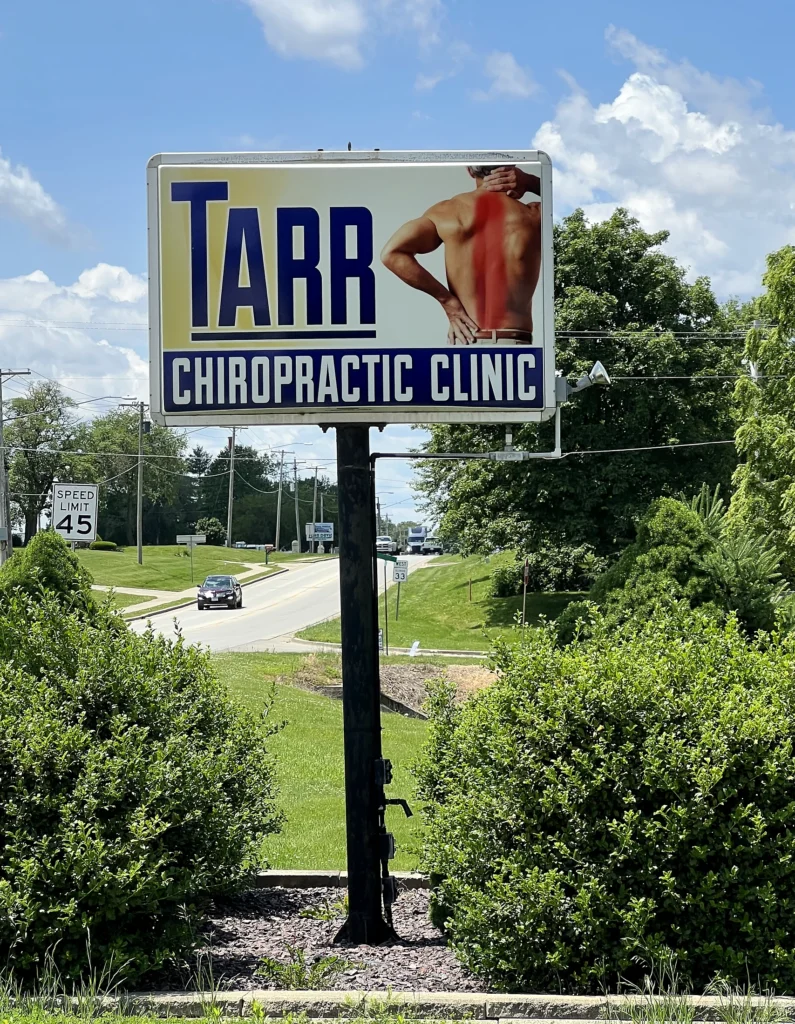
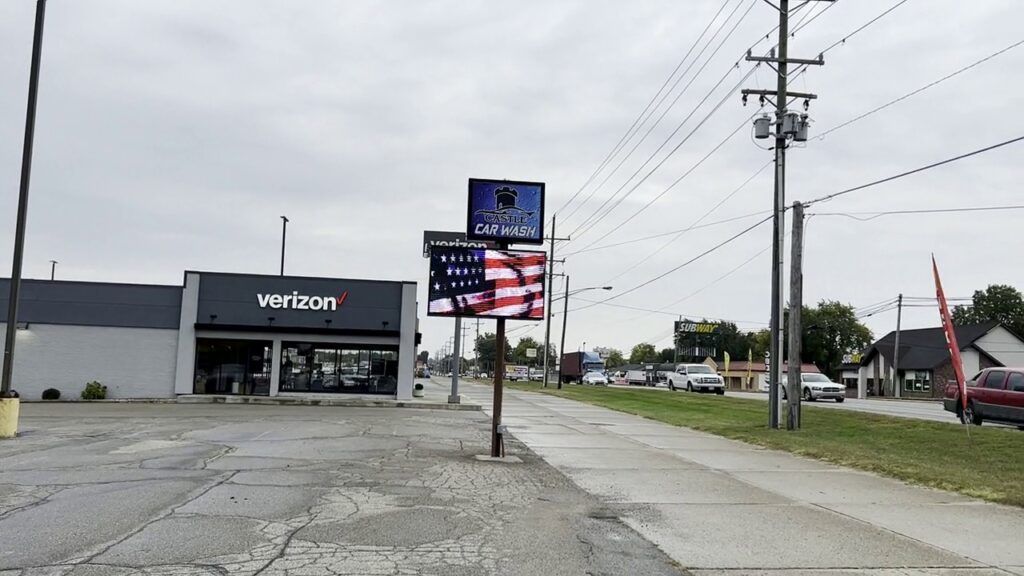
Monument sign lighting is not only a choice between a glowing cabinet and ground-mounted floodlights. Internal illumination makes a translucent cabinet face glow. External floodlighting throws light onto an opaque sign from a separate fixture. A third approach uses face-lit or halo-lit dimensional letters attached to the monument. If customers rarely arrive after dark or existing site light already reveals the entrance, the right answer may be no dedicated sign lighting at all.
Which lighting method fits the sign construction?
Match the lighting path to the part of the sign that must remain readable after dark. A translucent cabinet face can transmit light from inside. An opaque architectural face can receive light from a separate fixture. Dimensional identification can carry its own face or halo lighting without making the whole monument glow.
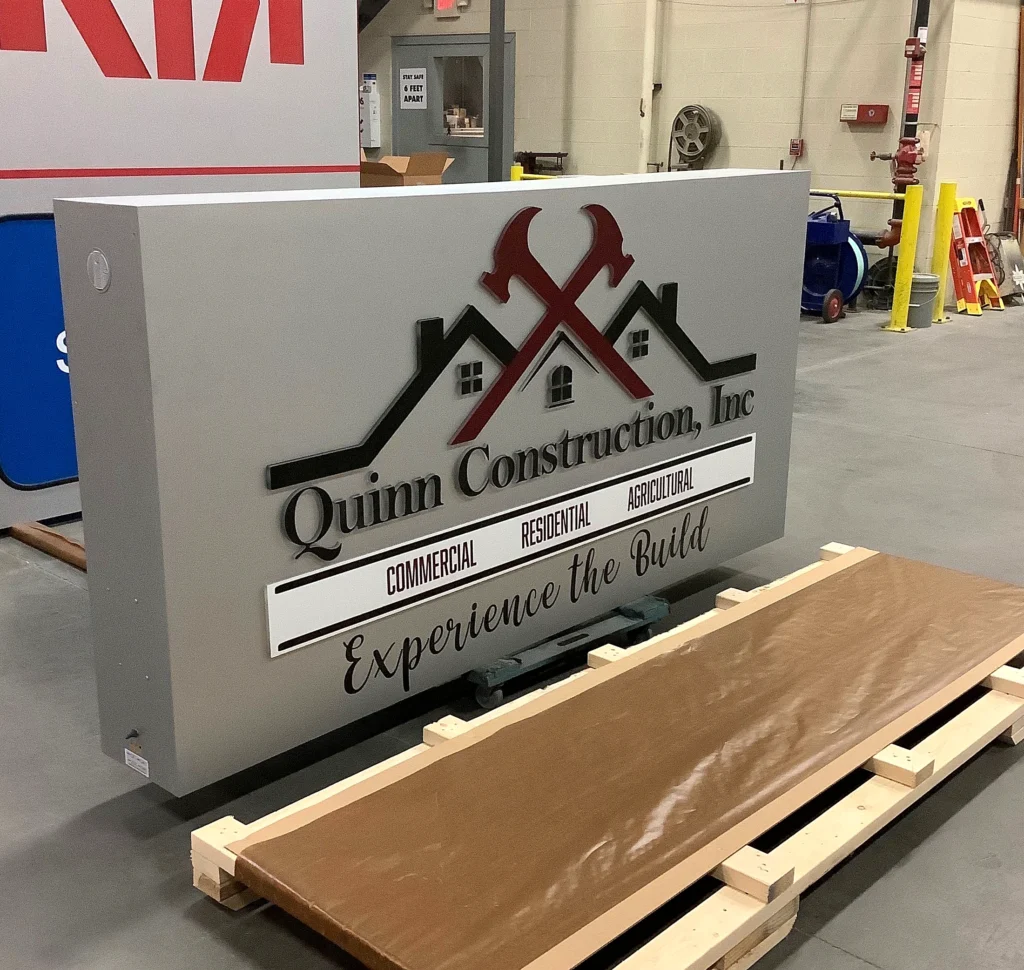
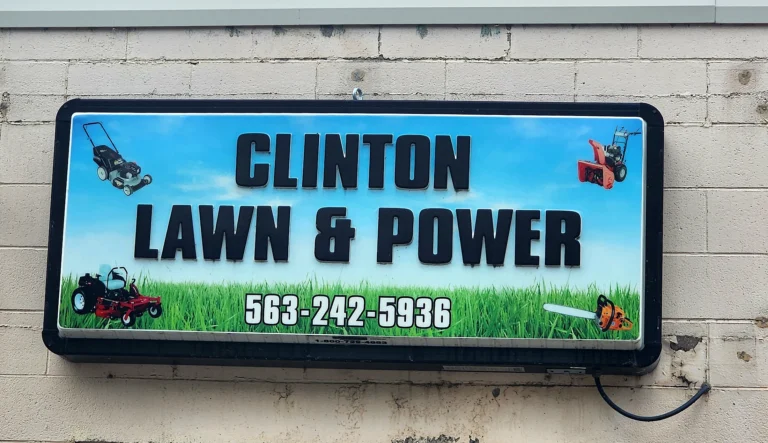
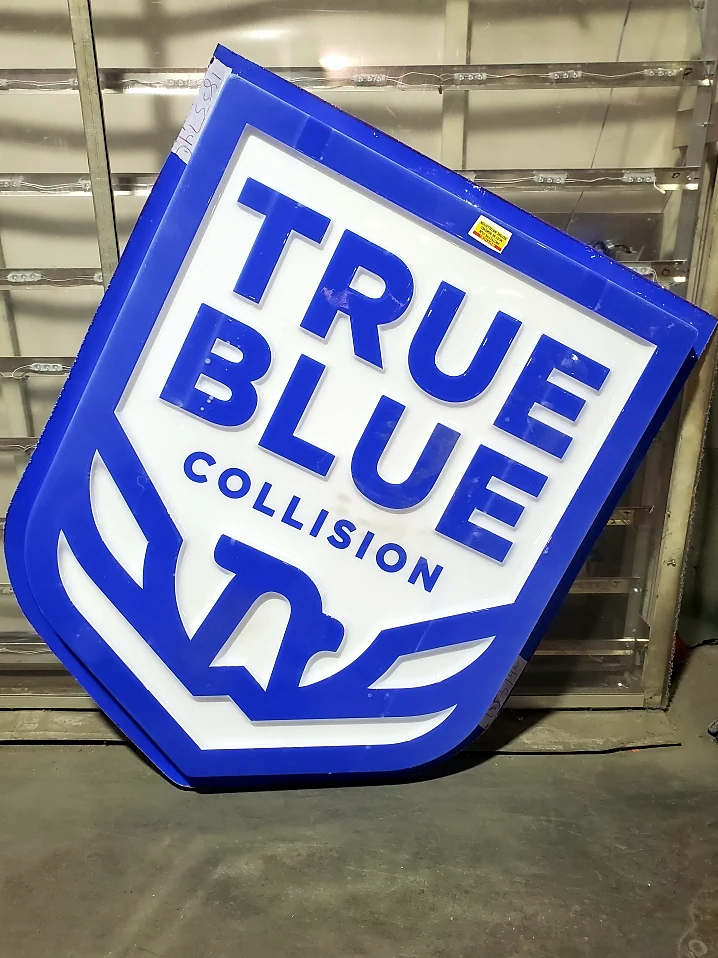
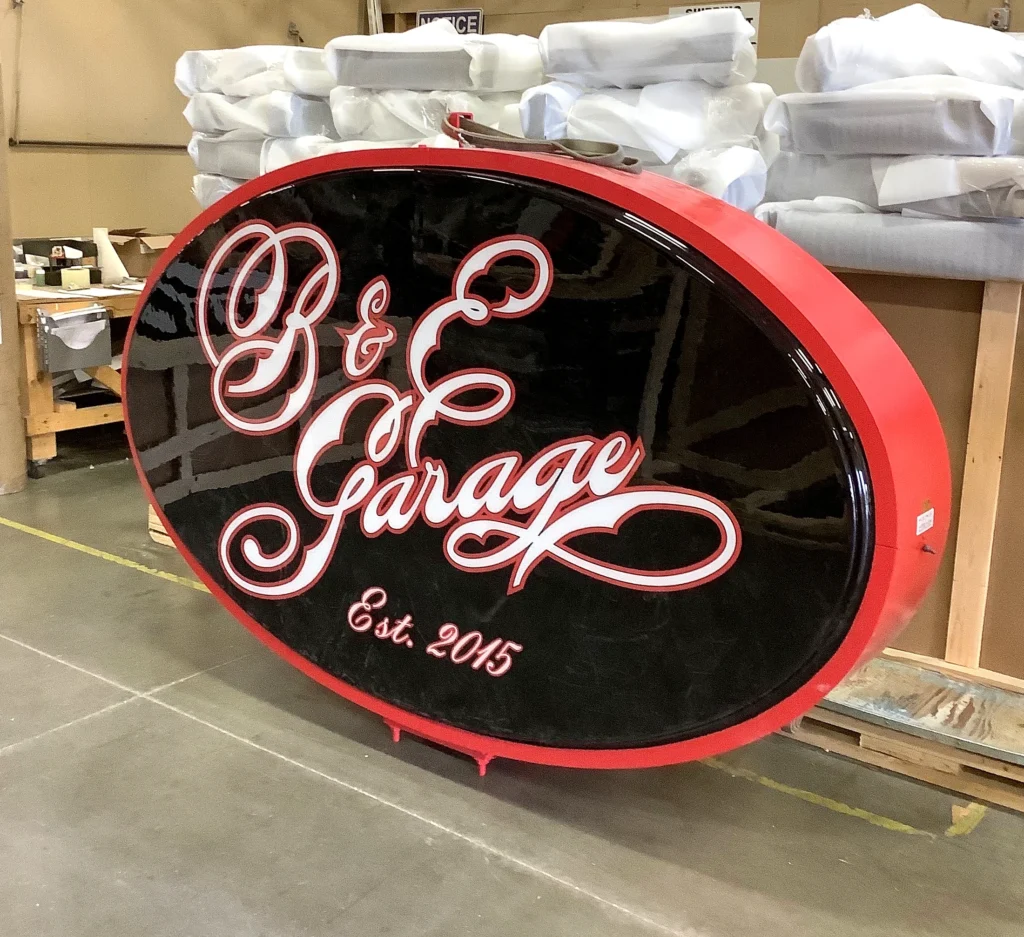
With internal illumination, light sources sit inside a cabinet or letter set, commonly behind a translucent face. Cabinet depth, meaning the front-to-back dimension of the cabinet, is one of the factors considered with the face material, lighting layout and power route. Ask the fabricator to identify those items and show which parts of the face are intended to transmit light.
With external floodlighting, the source sits outside of or away from the sign and points toward its face. This can preserve an opaque daytime surface such as masonry, painted metal or a dimensional logo. The proposal still needs to show where each fixture will sit, the direction it will point and whether the lamp itself will be visible from a road, sidewalk or nearby window.
Direct-lit identification puts the nighttime effect on individual letters or logo elements. Depending on the design, their faces may light or light may wash the background behind them to create a halo. Local vocabulary is not consistent: the City of Gaithersburg code, for example, treats direct illumination separately and refers to internally lit or halo-lit letters on monument signs. Ask the local planning office how it classifies the proposed construction rather than relying on a product label.
When does internal cabinet illumination make sense?
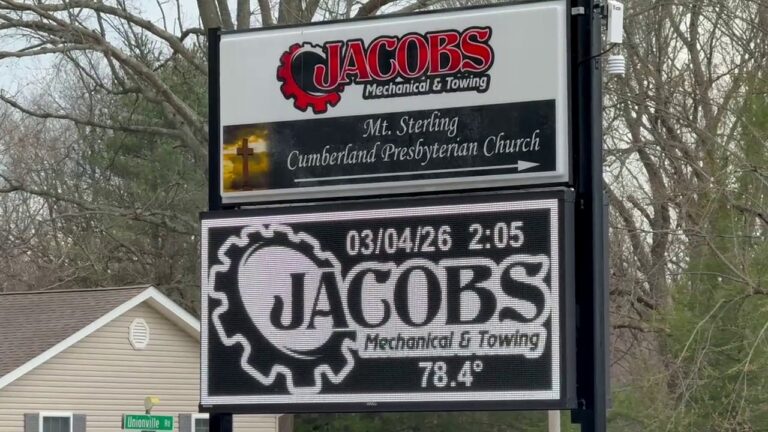
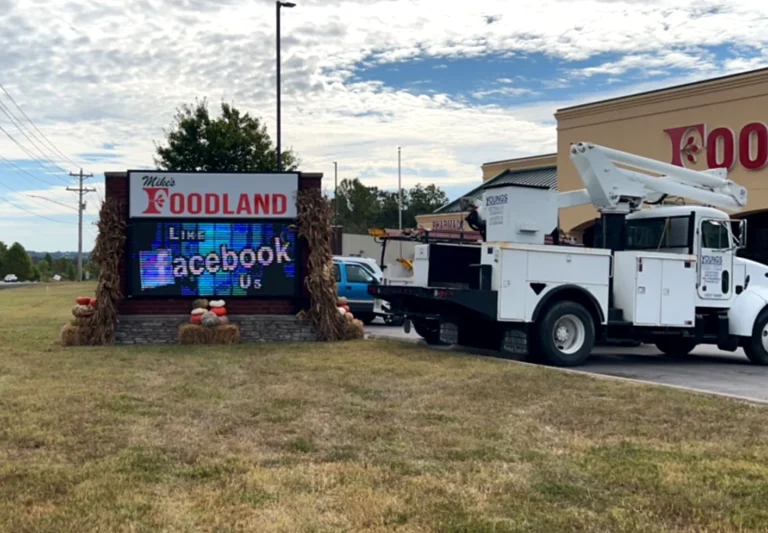
Internal cabinet illumination makes sense when a translucent panel should present a bright, self-contained identity after dark. It can also give multiple designed panels a common light source, provided the drawings show how each panel and graphic treatment is intended to appear when illuminated.
A USSC Foundation visibility study found longer nighttime recognition and legibility distances for its internally illuminated test signs. In that experiment, the recognition-distance difference was 40 percent and the legibility-distance difference was 60 percent.
Ask for an illuminated rendering and agree on how the completed face will be reviewed. Put practical questions in writing: Which areas transmit light? Where do the electrical components sit? What has to be removed for service? Can that work occur without damaging the base or adjacent finish? The Monument, Pylon & Cabinet Signs service page shows the broader site factors that must be coordinated before production.
When does external floodlighting make sense?
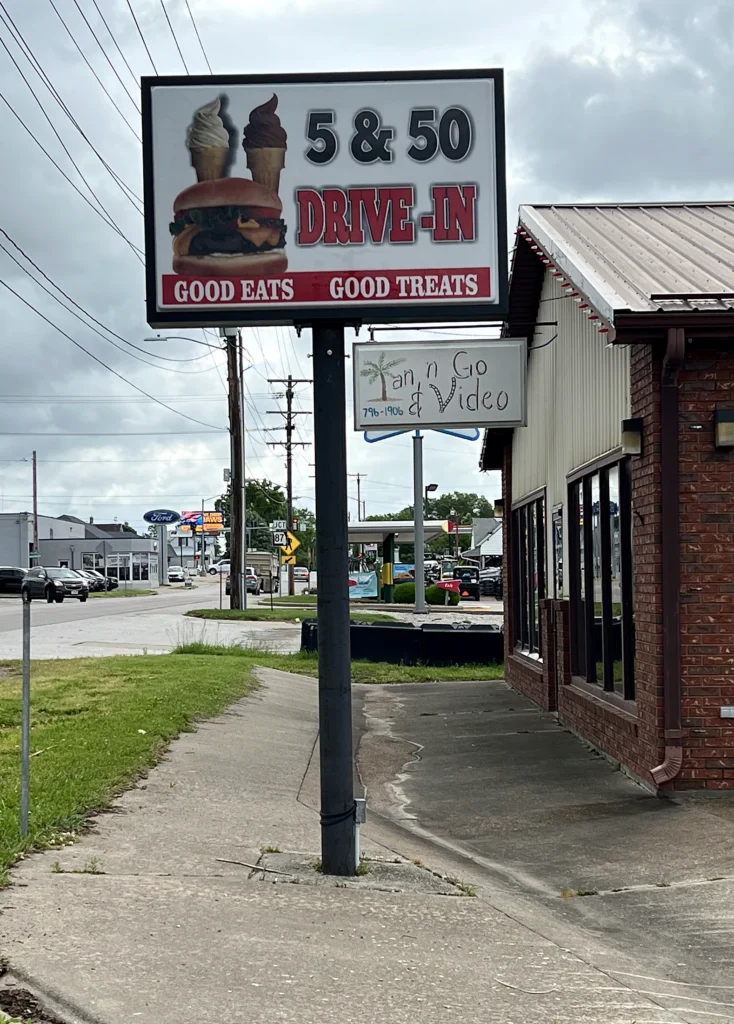
External floodlighting makes sense when an opaque monument face should retain its architectural character after dark and the site provides a practical fixture location. It is worth considering for masonry, solid metal panels and raised identification that does not need to glow from within.
The useful question is not simply whether a fixture is bright enough. Ask where the beam lands, whether lettering casts unwanted shadows and whether the lamp can be seen directly from a customer approach or neighboring property. The answers should come from the proposed fixture position and an after-dark field check, not a generic claim about external lighting.
If a fixture is proposed in a planting bed, mark that position during the site visit. Inspect nearby plants, irrigation components, snow-storage areas and maintenance paths as conditions that could affect placement or access. These are site observations, not universal reasons to reject ground fixtures. A clear location may make external floodlighting the simpler construction.
When do direct-lit letters make sense?
Direct-lit letters make sense when the monument should remain mostly opaque while selected letters or a logo carry the nighttime effect. Face lighting makes the front of the identification luminous; halo lighting sends light onto the surface behind each element. Either approach can separate the business name from the base without lighting the entire face.
Treat the letters and supporting monument as one assembly during review. Ask what surface sits behind halo-lit elements, where wiring enters the monument and how each letter or logo component can be reached. Also ask the permit office whether it classifies the letters as direct, internal or another form of illumination. That classification can affect the drawings it expects.
What should you inspect after dark?
Inspect the proposed location from every real customer approach after dark. A front elevation cannot show competing lights, a visible lamp, a shadow across the name or vegetation between a fixture and the face. Begin where a visitor first sees the property, continue through the turn and entrance, and repeat the check from the other direction when the sign serves two approaches.
- Photograph the sign location from each useful traffic approach during the hours when the sign would operate.
- Record streetlights, parking-lot poles, windows and other bright signs within the same view.
- Mark proposed fixture, cabinet and letter locations on a photograph rather than discussing them only in the abstract.
- Stand at nearby sidewalks, upper-floor windows and property edges to check whether a proposed external lamp would be directly visible.
- Trace the proposed power route and ask who will confirm it before excavation, masonry or fabrication begins.
- Note plants, irrigation, snow storage and maintenance routes around external fixtures as site conditions to resolve.
- Use the customer approach to test the copy. The business sign readability guide explains why artwork viewed on a screen is not a road test.
How should you compare lighting proposals?
Compare lighting proposals by the finished scope, not by the phrase “LED lighting.” Each proposal should identify the illuminated element, the power and mounting work, the planned nighttime review and the party responsible for every excluded task.
| Proposal item | Internal cabinet | External floodlighting | Direct-lit letters |
|---|---|---|---|
| Light path | Which parts of the face transmit light? | Where does each fixture sit and point? | Are the faces illuminated, the background halo-lit or both? |
| Construction | What face, cabinet and graphic treatment are proposed? | What opaque surface receives the light? | What letters or logo elements attach to the monument? |
| Electrical scope | Where does power enter, and who connects it? | Who provides fixture mounts, wiring and connections? | How does wiring reach each illuminated element? |
| Access | What must be opened or removed for service? | Can each fixture be reached and aimed after landscaping is complete? | How is each letter or logo component reached? |
| Site work | Who coordinates the cabinet, base, footing and power route? | Who handles mounts, excavation and disturbed surfaces? | Who coordinates letter mounting, penetrations and the monument finish? |
| Night review | How will the glowing face be evaluated? | When and from where will aiming be checked? | How will faces or halos be checked against the background? |
| Local review | How does the permit office classify the cabinet? | What does it require for externally aimed fixtures? | How does it classify face-lit or halo-lit identification? |
Request separate scope lines even when one contractor coordinates the project. Ask whether the proposal includes the sign, fixtures or letters, electrical connection, excavation, mounting details, disturbed-finish repair and the after-dark adjustment. A smaller scope may be the right choice, but both proposals need to describe the same endpoint before their totals can be compared.
Do you need to light the monument at all?
You may not need dedicated lighting when nighttime identification is not part of the sign’s job. A property that closes before dark, has an entrance already revealed by existing site light or faces a local lighting restriction may be better served by a high-contrast non-illuminated face.
Test that decision at the property. Visit after dark with the normal site lighting in use and observe whether the business name and entrance remain apparent from the customer approach. If they do, record that condition in the project notes. If they do not, identify the specific viewing problem before selecting a lighting method.
What should be settled before design approval?
Settle the illuminated element, power route, local approval path, nighttime review and service responsibility before approving the design. Foundation, wind load, electrical service, access, permitting and installation equipment also belong in the planning of a freestanding sign.
Call the city or county planning or zoning office with the property address. Ask how it classifies the proposed lighting, whether it regulates aiming or operating conditions and what drawings the sign application requires. Ask the electrical permitting office what it will review. Requirements are local, so another city’s approved sign is not a permit template.
The business-sign permit guide outlines the information commonly assembled for that conversation. Bring the site plan, dimensions, lighting description, proposed fixture or letter locations, electrical scope and photographs of the customer approaches. The resulting proposal should describe the monument in daylight, after dark and when it eventually needs service.
Frequently asked questions
Can an existing monument sign be changed to another lighting method?
An on-site inspection can determine whether any base, structure, face or electrical path is suitable for reuse. Ask the fabricator to identify what stays, what changes and which assumptions require structural, electrical or permit review; do not assume that changing the face alone converts the entire system.
Should monument-sign lighting stay on all night?
The operating schedule should reflect the property’s hours, nearby uses and local requirements. Ask the planning or zoning office whether operating conditions apply, then have the proposal identify any controls and the party responsible for setting them.
Can external lighting be added after the monument is installed?
Ask the installer to inspect fixture positions, the available power route and any finished masonry or landscaping that would be disturbed. If later lighting is likely, documenting a possible route during the original site plan can keep the decision visible even if the fixtures are deferred.
Are halo-lit letters the same as external floodlighting?
No. Halo-lit letters carry lighting that washes the surface directly behind each letter, while external floodlighting uses a separate source positioned away from the sign face. Local codes may use different category names, so confirm the classification with the permit office.
Do the lighting methods require different permits?
They may be classified or reviewed differently under the local sign and electrical rules. Contact the planning or zoning office and the electrical permitting office for the property address before approving the cabinet, fixture or letter design.
Sources
- Relative Visibility of Internally and Externally Illuminated On-Premise Signs, United States Sign Council Foundation and Pennsylvania Transportation Institute
- City Code Chapter 24: Signs, City of Gaithersburg, Maryland