What does a church sign need to say?
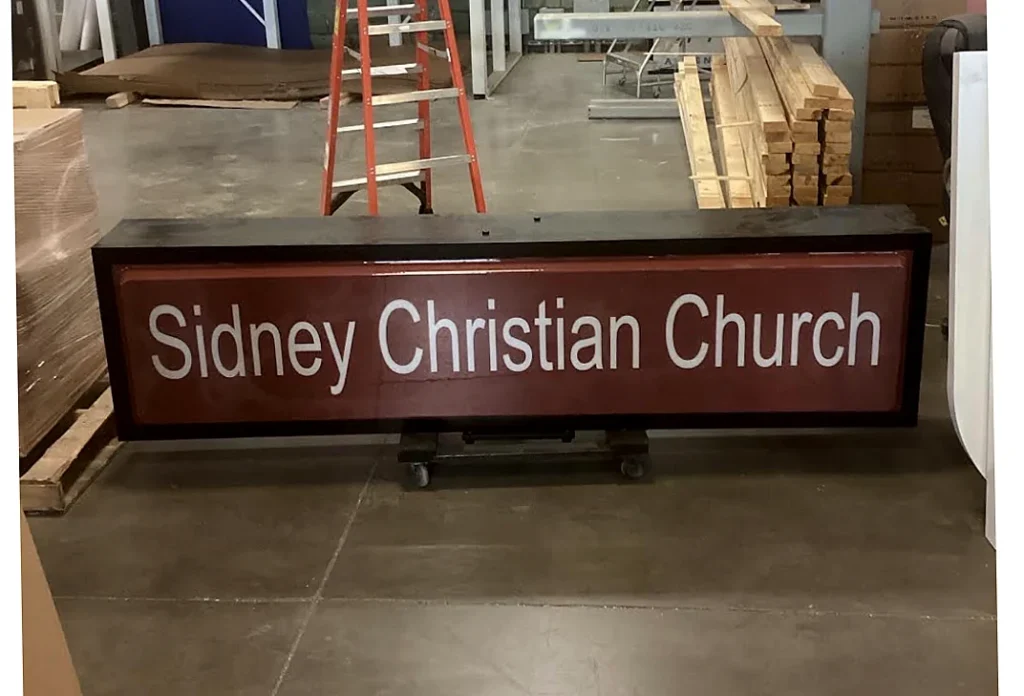
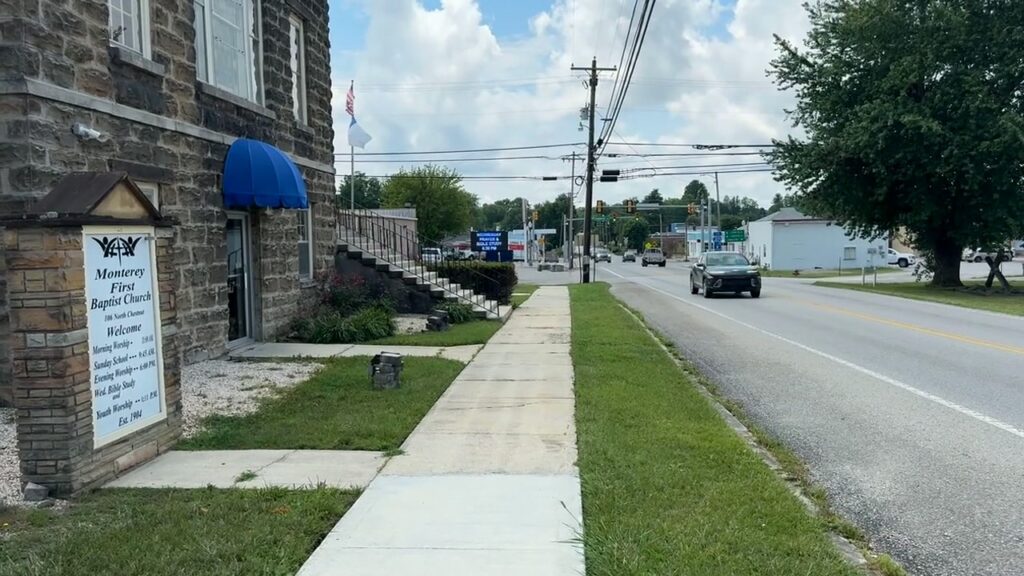
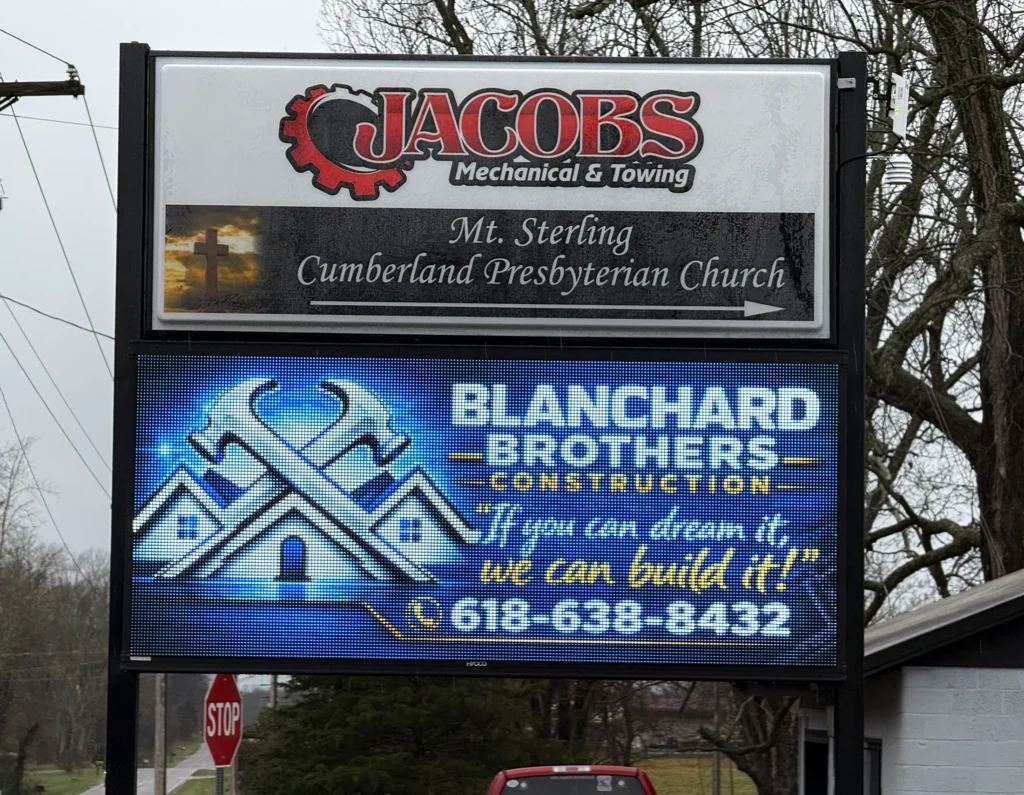
The church name first, then the one or two things a visitor needs this week, usually service times and the next event. Put the name where it never changes. Put time-sensitive items in a message area, whether that is a changeable letter board or an LED message center.
Visitors are the audience who need the sign most. Members already know where to park. A first-time guest needs the name, the entrance and the service time, readable from the street.
Keep denomination, pastor names and slogans off the main face unless they help someone find you. Every extra line shrinks the letters that carry the name.
How do zoning rules treat church message centers?
Codes regulate church signs by size, lighting, placement and zone, not by what the message says. In residential zones, message centers are often allowed only with extra review, a longer hold time and night shutoff hours. Your city's zoning office sets the rules for your address.
The message itself is largely protected. In Reed v. Town of Gilbert (2015), a church that posted temporary signs with its service times challenged a code that treated those signs more strictly than others. The Supreme Court held that the code's content-based rules did not survive strict scrutiny, while noting that towns can still regulate size, materials, lighting, moving parts and portability.
Where the church sits matters more than what it posts. The USSC model sign code, which some cities use as a starting point, allows message centers on non-residential uses in residential zones only by special exception and sets a 12-second minimum display time there. Spokane, Washington, as one city's example, limits message centers for institutional uses in residential zones to half of the allowed sign size and requires them to be off from 10 pm to 6 am.
Sources: Reed v. Town of Gilbert, 576 U.S. 155 (2015), via Cornell Legal Information Institute; USSC Foundation - Model On-Premise Sign Code (a model, not law); City of Spokane, WA - Municipal Code 17C.240.247, Electronic Message Center Signs (one city's example)
Message center or changeable letters?
A changeable letter board works when messages change monthly and a volunteer can safely swap letters. An LED message center makes sense when content changes weekly or more, or when events stack up. HomeAdvisor's national estimate for church signs runs from $5,000 to $50,000.
HomeAdvisor notes that a digital church sign can run up to $20,000 or higher, with marquees using static letters and simple backlighting at the lower end. Those are third-party national estimates, not Suntronix pricing.
Single-color (monochrome) displays exist and can handle plain text. Suntronix's message centers are full-color, which lets you use your logo colors, photos and seasonal graphics. Either way, weigh the real cost of a letter board too: ladders, lost letters and messages left up for weeks.
Sources: HomeAdvisor - How Much Does Commercial Sign Installation Cost? (updated June 20, 2026)
How big should a church sign and its display be?
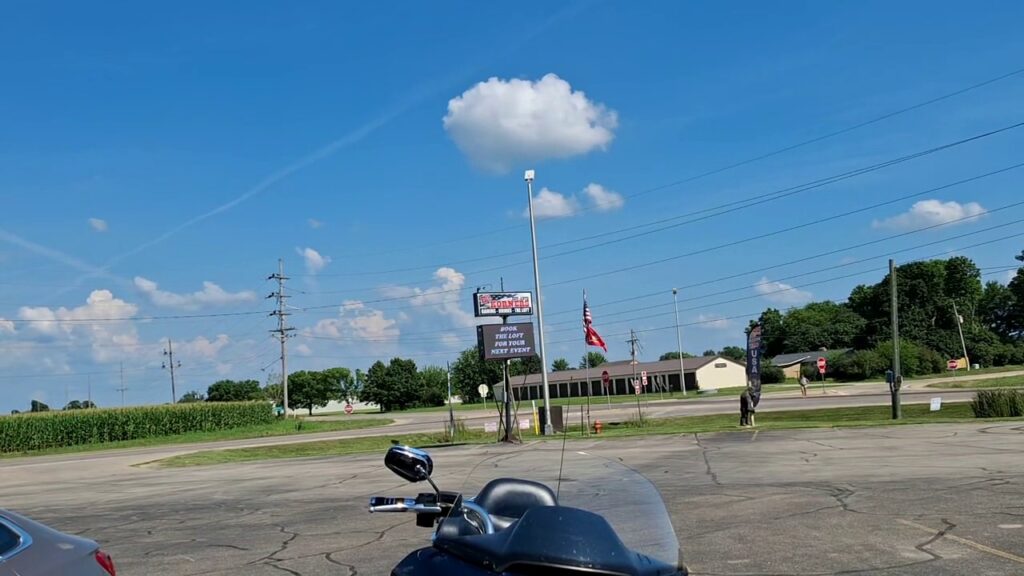
Size from the road in front of the church. On a 30 mph two-lane street, USSC rules of thumb call for capital letters of about 12 inches. For the display, match pixel pitch to your closest regular viewers: the finer the pitch, the closer people can stand before the image breaks into visible dots.
If the church sits on a slower street, a monument-height sign often works well. If the building is set back behind a large lot or faces a highway, the math shifts toward a taller sign and wider pitch.
The USSC model code caps freestanding signs for non-residential uses in residential zones at 48 square feet, which is a useful reality check before you design a large display. Local limits may be lower or higher.
Sources: USSC Foundation - Model On-Premise Sign Code (a model, not law); United States Sign Council - Sign Legibility Rules of Thumb (2006); AVIXA (Audiovisual and Integrated Experience Association) Xchange - What is Pixel Pitch? How to Calculate Pixel Pitch
Who runs the sign, and how often should it change?
Name two people: one who writes and schedules content and one backup. Plan a weekly rhythm around services, midweek groups and seasonal events. With long hold times, each message must stand on its own, because a passing driver may see only one.
Do the math before writing content. At 30 mph, a driver has about 8 seconds of useful viewing under USSC rules of thumb. If your code requires a 12-second hold, most drivers will see one message, not a sequence. Put the service time and the church name in the same frame.
Every Suntronix digital sign order includes on-site training for the software, communication setup and scheduling, so train both volunteers at the same session.
Sources: USSC Foundation - Model On-Premise Sign Code (a model, not law); United States Sign Council - Sign Legibility Rules of Thumb (2006)
How do you keep a lighted sign neighbor-friendly at night?
Use automatic dimming, keep night brightness near 0.3 footcandles above ambient light, and schedule the display off overnight if your code or neighbors call for it. Neighbors are close in residential zones, so set these limits at installation, not after the first call.
The International Sign Association recommends that message centers not exceed 0.3 footcandles over ambient light at a distance based on sign size, and more than 200 localities have adopted footcandle measurement. USSC Foundation lighting guidance says message centers must be dimmed at night to only 2 to 8 percent of their daytime brightness, and it recommends a nighttime maximum of 700 nits for all signs.
Sources: International Sign Association - EMC Brightness Level Recommendations; International Sign Association - Night-time Brightness Level Recommendations for On-Premise Electronic Message Centers (updated August 2016); USSC Foundation - On-Premise Sign Standards: Sign Lighting (Feb. 2018)