What signs does a dealership need?
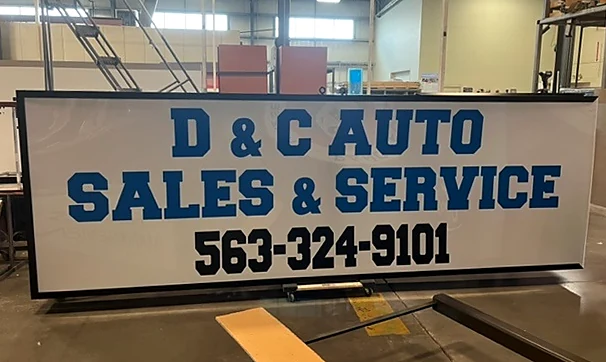
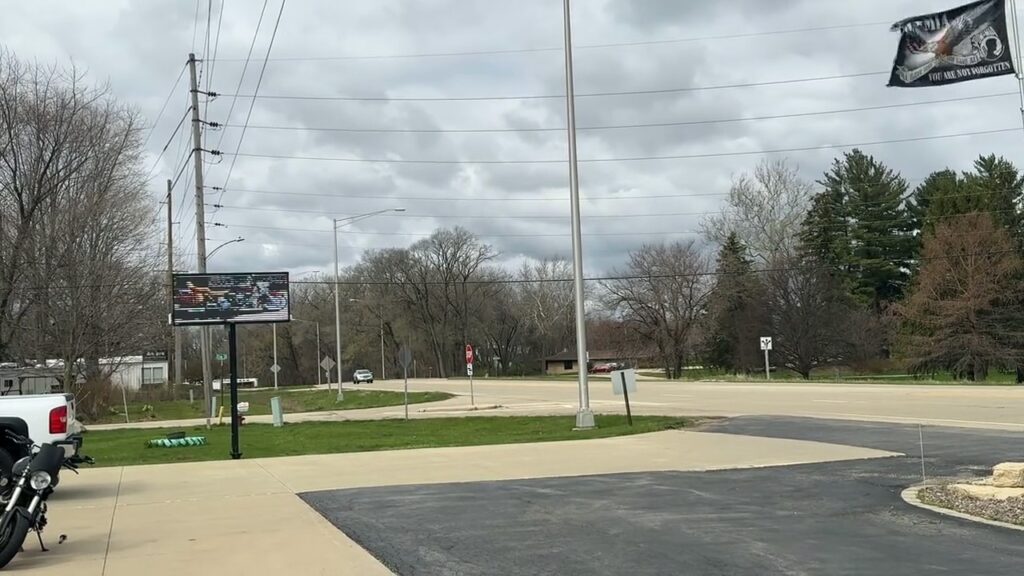
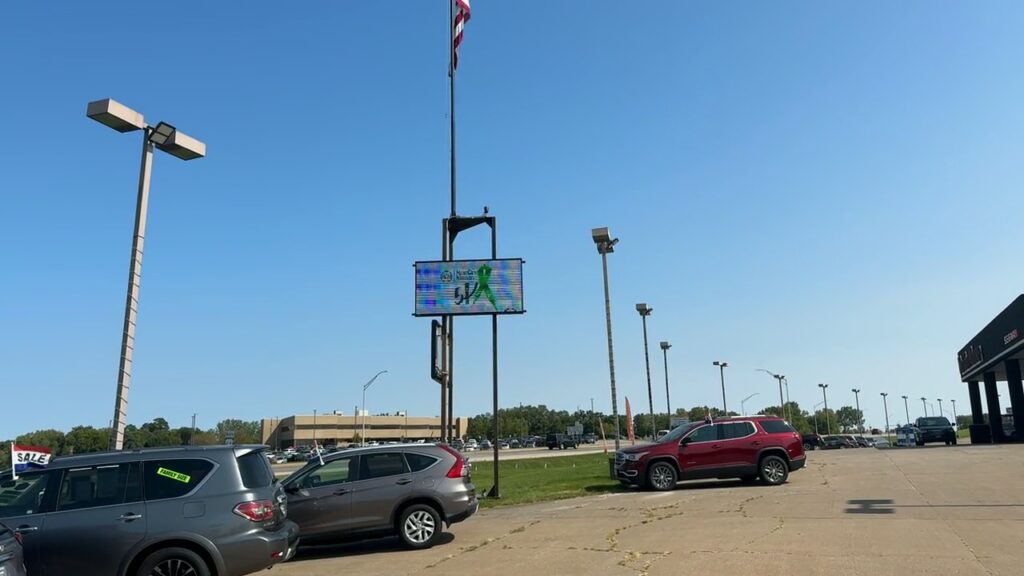
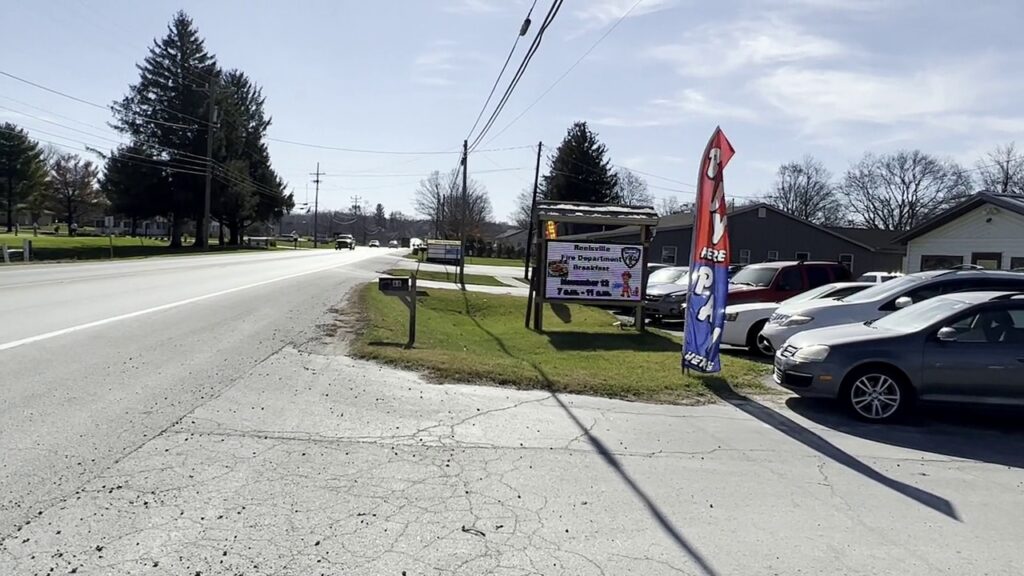
A full dealership system includes a roadside pylon or monument with the store name, building letters for the showroom, separate signs for service and parts entrances, and often a message center for inventory and service offers. Franchised stores should check their brand's image requirements before designing the roadside structure.
Brand image programs can dictate the brand element on the pylon and the facade. Ask your manufacturer representative what is required and what the store may add, such as a message center or a separate used-vehicle sign.
Departments are where customers get lost. A service customer who pulls up to the showroom door starts the visit annoyed. Give service and parts their own clearly lit signs at the drive entrance.
Can you advertise vehicle prices on a dealership LED sign?
Yes, but the price must be one any customer can walk in and pay, including all mandatory dealer fees. The FTC's September 2026 pricing FAQs name roadside signs as covered. If the all-in price and required disclosures cannot be read in one frame, advertise the vehicle without the price.
The FTC says the actual price must be the most prominent amount in the ad, and that a price built around a discount only some buyers get does not qualify. On a message center, fine print is not just risky, it is unreadable: at 45 mph a driver has seconds, and USSC rules of thumb call for letters around 22 inches tall at that speed.
State advertising laws add their own disclosures. Have whoever approves your other ads approve the sign content too.
Sources: Federal Trade Commission - Automobile Industry Pricing Transparency: FAQs (September 2026); United States Sign Council - Sign Legibility Rules of Thumb (2006)
How tall and how big should a dealership pylon be?
If your store sits on a fast arterial with long frontage, that points toward a pylon. At 45 to 55 mph, USSC rules of thumb call for capital letters of about 22 to 32 inches. Height and area are capped by local code, which often ties the number of signs to frontage length.
Frontage can earn more than one sign. Spokane, Washington, as one city's example, allows one freestanding sign per 300 feet of arterial frontage in its general commercial zones, with a 35-foot height limit and a 250-square-foot size limit per sign.
Clearance matters on a lot full of trucks and car carriers. Spokane requires at least 14 feet under any sign that extends over areas where vehicles travel or park.
Sources: United States Sign Council - Sign Legibility Rules of Thumb (2006); City of Spokane, WA - Municipal Code 17C.240.230, Standards in the Commercial and Industrial Zones (one city's example); City of Spokane, WA - Municipal Code 17C.240.240, Sign Placement and Location Restrictions (one city's example)
What makes inventory content readable on a message center?
One vehicle or one offer per frame, a large headline, and a photo only if the headline still reads. For roadside displays read from a distance, a wider pixel pitch works. Hold times vary by city, from 2 seconds in Spokane to 15 seconds on multi-business signs in Clemson, South Carolina, which changes how many frames a driver sees.
Vehicle photos are the temptation. A detailed photo that looks sharp on a laptop can turn into noise at road distance. Test each frame at the display's actual pixel resolution before it runs.
Plan content around what changes: new arrivals, service specials, hours and hiring. Stale inventory on the sign is worse than none. Suntronix includes on-site software training with every digital sign order.
Sources: AVIXA (Audiovisual and Integrated Experience Association) Xchange - What is Pixel Pitch? How to Calculate Pixel Pitch; City of Spokane, WA - Municipal Code 17C.240.247, Electronic Message Center Signs (one city's example); City of Clemson, SC - Code of Ordinances, sign standards (online page 505; one city's example)
How should service and building signs be handled?
Put service and parts signs where drivers turn, facing traffic, not only flat on the building. USSC research found drivers passed 30 percent of signs mounted parallel to the road, even while looking for them. Building letters identify the door; a facing sign at the drive gets people to it.
Channel letters work well for department names on the building, sized for the distance from the parking lot. Lighting matters if the service drive opens before sunrise.
Sources: United States Sign Council - Sign Legibility Rules of Thumb (2006)