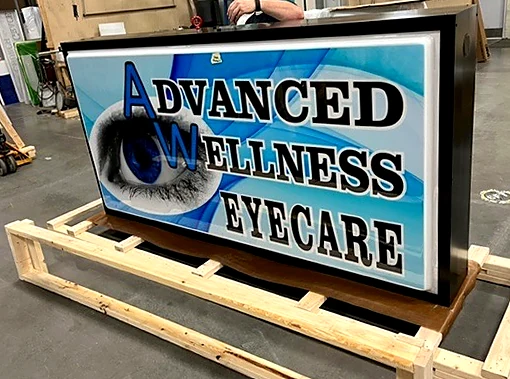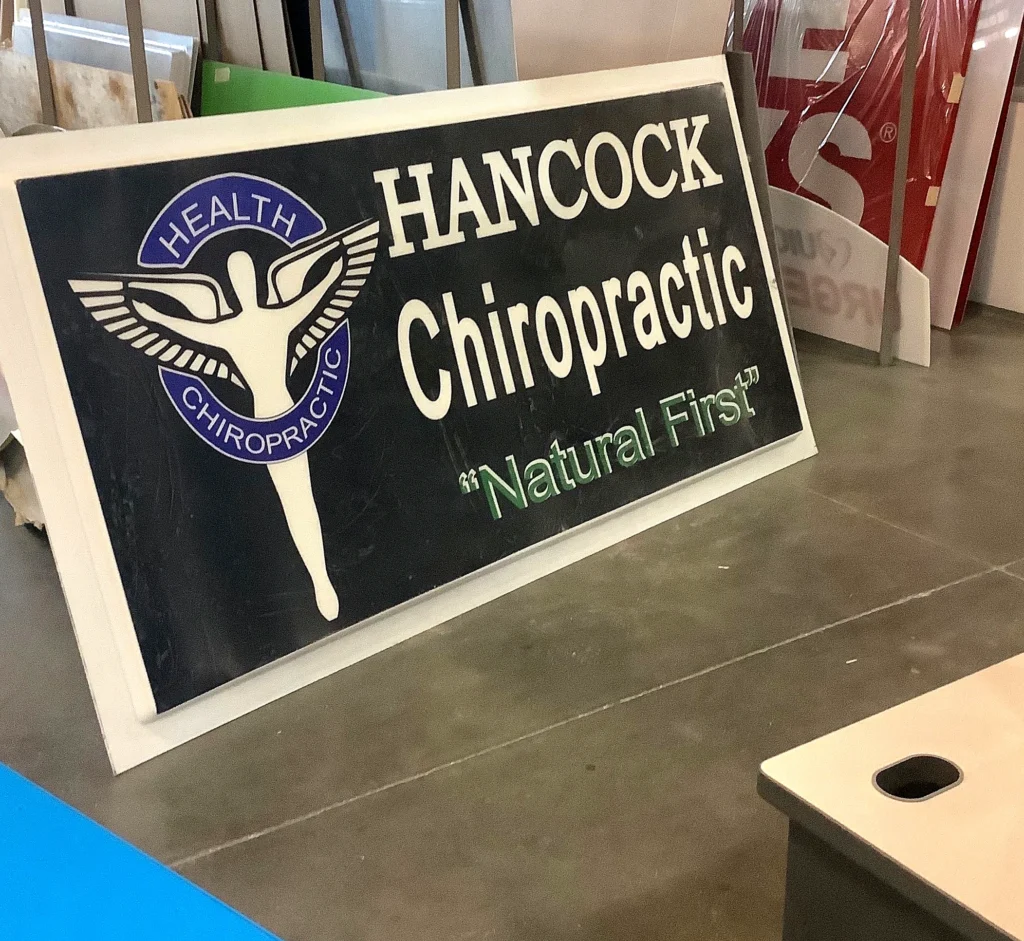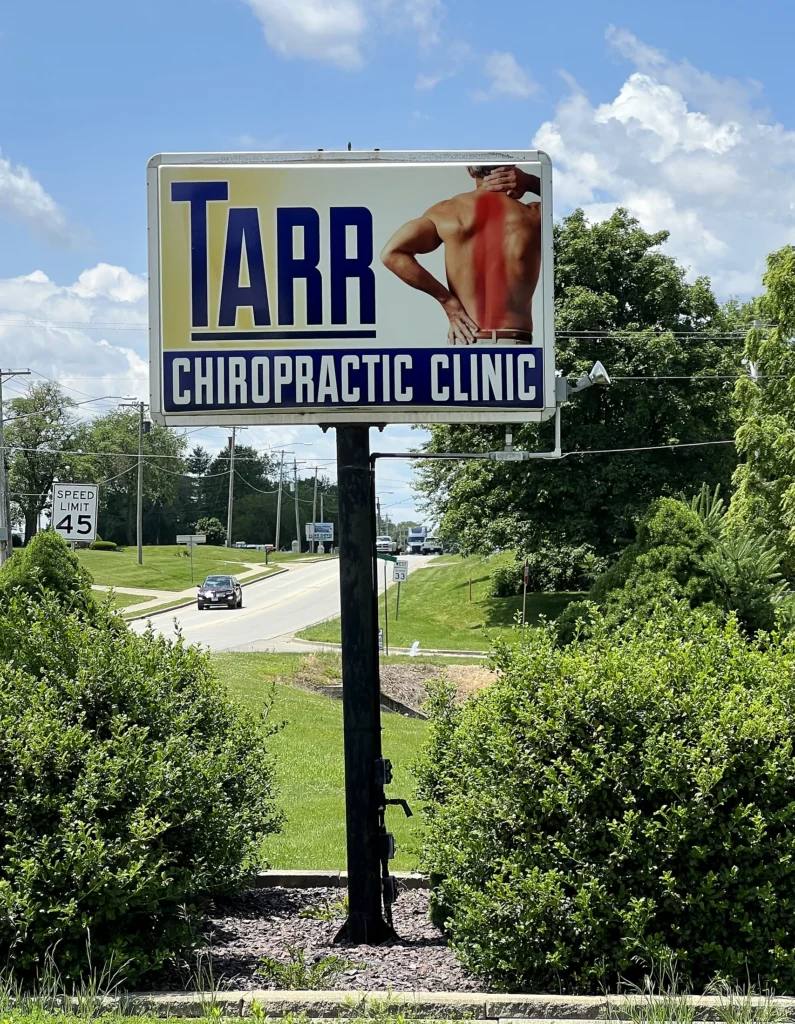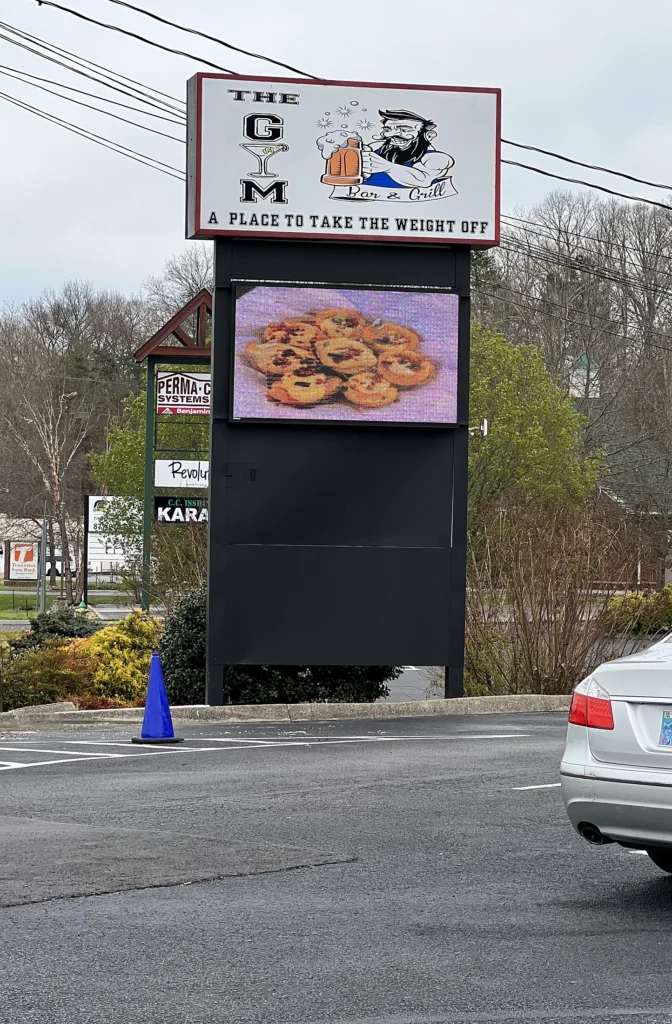
What do patients need from the sign?
The practice name, readable from the road or parking lot, and a clear answer to which door to use. Patients arriving for a first visit are often anxious or running late. A sign that answers where to go keeps the front desk from fielding the same call all day.
Practices in office parks share the problem of look-alike buildings. Put the building number on the monument and on the building itself. Put the suite number and practice name at the entrance.
Wall signs mounted flat to the building are easy to miss from a moving car. In a USSC study, drivers passed 30 percent of signs parallel to the road even while looking for them. A small monument or blade sign facing the driveway often helps more than a bigger wall sign.
Sources: United States Sign Council - Sign Legibility Rules of Thumb (2006)
What can a dental or medical sign say about specialties?
For dentists, the ADA Code of Ethics limits specialist announcements to recognized specialties and asks dentists who announce one to use "specialist in." General dentists who list services must state that general dentists provide them. Physicians should check their state board's advertising rules.
The ADA code also says no dentist may advertise in a way that is false or misleading in any material respect. On a sign, the practical test is simple: if a word like "orthodontics" or "implants" could lead a patient to assume a specialist, have the dentist confirm the wording before it is fabricated.
Keep claims off the sign that you would not put in any other ad. Words like "painless" or "best" invite complaints and add nothing to wayfinding.
Can a medical office use an LED message center?
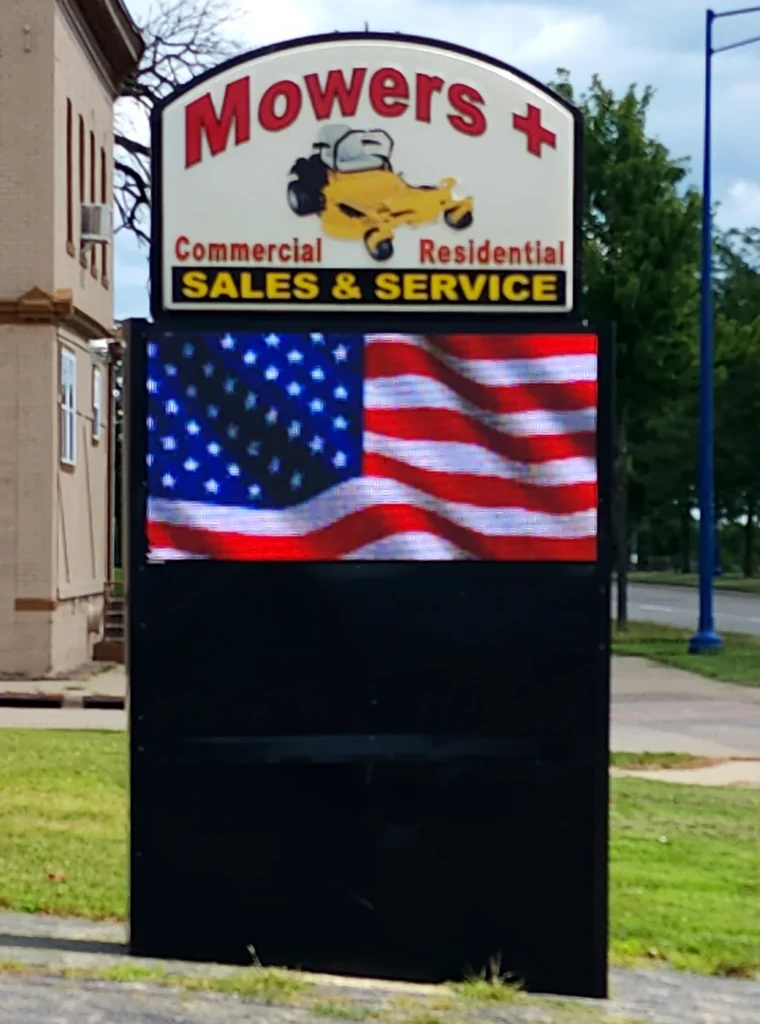
Often, with limits. Medical offices commonly sit in office or professional zones, where codes allow message centers with slower changes. The USSC model code sets an 8-second minimum display in office zones. Many practices find a static lighted sign is all they need.
A message center earns its place for practices with changing information: flu shot clinics, new-patient openings, extended hours or a new provider. If the message would be the same every week, spend the money on a larger, better-lit name instead.
Spokane, Washington, as one city's example, groups medical centers in residential zones with schools and religious institutions for sign standards, and its message center table requires institutional displays in residential zones to be off between 10 pm and 6 am.
Sources: USSC Foundation - Model On-Premise Sign Code (a model, not law); City of Spokane, WA - Municipal Code 17C.240.220, Standards in Residential Zones (one city's example); City of Spokane, WA - Municipal Code 17C.240.247, Electronic Message Center Signs (one city's example)
How do signs work in a multi-tenant medical building?
If the building has landlord sign criteria, they control tenant panels on the shared monument, building letters and suite signs. Ask for the criteria before designing anything. Your panel's letter height is limited by the panel size, so a short name or a strong logo does more than a long legal name.
A long practice name forces small letters. Let the most recognizable part of the name carry the primary reading weight, and set the rest of the name and any logo symbol smaller in support.
Should the sign be lit, and for how long?
Light it if patients arrive before sunrise or after sunset, and check the winter schedule, when early and late appointments fall in the dark. Put the lighting on a timer or photocell. Night brightness near homes is often capped, and some codes require lighted signs to shut off overnight.
For lighted faces, polycarbonate sheet is sold for its impact resistance. Suntronix offers a limited warranty on qualifying Lexan lighted sign faces; vandalism is excluded and coverage is confirmed in the proposal.
Sources: City of Spokane, WA - Municipal Code 17C.240.247, Electronic Message Center Signs (one city's example); GE Structured Products - Lexan SG305 Sheet for Signs, product data sheet